



Is a Career in Traffic Management Worth It?
Salary, Progression and What to Expect
Thinking about a career in traffic management? It's a role that suits people who want outdoor work with real purpose, clear progression from operative through to supervisor and designer, proper industry training, and steady demand across the UK. It also comes with shift patterns, all-weather conditions, and a genuine responsibility for road-side safety. Here is what to expect.
What Does a Traffic Management Operative Actually Do?
Traffic management operatives keep road users and site workers safe during construction, maintenance, and utility works on UK roads. Day to day, the role involves setting up and dismantling traffic management schemes, installing cones, barriers, signage, and temporary traffic signals to a scheme design, usually built around the standards set out in the Traffic Signs Manual.
Work ranges from small residential closures to large-scale motorway and high-speed setups, often alongside utility companies, rail operators, telecoms contractors, construction firms, and event organisers. Every scheme has to be designed, deployed, monitored, and taken down safely, sometimes across multiple days or weeks. Accurate placement matters because a badly signed closure creates real risk for road users, site workers, and the public.
Is Traffic Management a Good Career?
Traffic management is a genuine career with steady demand across utilities, construction, highways, and rail. Progression is clear: operatives progress to supervisors, supervisors move into scheme design and CAD work, and experienced team members progress into project management. Training is industry-recognised and transferable between employers.
The role suits people who want hands-on outdoor work over a desk job, and who are comfortable with shift patterns that often fall outside standard hours. It is less suited to people who need fixed office hours or indoor work. For the right person, it offers a trade that keeps the country's roads moving and pays for the specific demands of the job.
Who Traffic Management Suits
Traffic management suits people who prefer working outdoors to sitting at a desk, who are comfortable with early starts and shift patterns, and who take safety seriously. Attention to detail matters because the difference between a safe scheme and a dangerous one is often in the placement and sequencing of signs and barriers. Reliability matters because schemes frequently need to be in place at very specific times, often overnight or in early morning to minimise disruption to traffic.
It is not a job for people looking for a nine-to-five behind a desk. But for people who want a trade they can progress in, traffic management offers structure, proper training, and genuinely useful work.
Pay and Progression in Traffic Management
Pay in traffic management varies by role, region, and employer, but there is a clear progression path for people who want to build a career. The standard UK route starts as a traffic management operative, progresses to supervisor where you take responsibility for schemes and teams, and opens up into specialist routes including scheme design using CAD software and project management.
Each step typically comes with additional training and industry qualifications. Weekend, night, and motorway work often carry additional pay weightings, reflecting the specific demands of those shifts. For exact pay details at Site Safe Traffic Solutions (SSTS), the traffic management sister company of DT Hughes Group, speak to the team directly.
The Realities of the Job
Worth understanding the trade-offs before committing to a traffic management career. The work is outdoor in all weathers. Shifts often fall outside standard working hours because lane closures and road works are typically scheduled when traffic is at its quietest. Road-side work carries inherent risk, which is why training, personal protective equipment, and strict procedural discipline matter so much.
On the other side, the work is real and the responsibility is meaningful. Every scheme you set up protects road users and other workers on site. The industry is well-regulated, training is genuine and transferable, and the progression routes are clear. For people who want work with a tangible purpose, these trade-offs tend to feel worth making.
How to Get Into Traffic Management in the UK
Many people enter the industry as a traffic management operative with no prior experience. Employers often provide the initial training and qualifications needed to start. A full UK driving licence is usually required, and some roles also ask for a Driver CPC for operatives driving larger vehicles.
Beyond the basics, a CSCS card is often expected or encouraged. Our DT Hughes Training Academy offers CSCS certification alongside first aid, manual handling, and other industry training relevant to civil engineering and construction careers, including the foundations needed to enter traffic management.
Traffic Management Careers at SSTS in Liverpool
Site Safe Traffic Solutions (SSTS) is the traffic management sister company of DT Hughes Group, established in June 2016 and operating across the Liverpool City Region. SSTS delivers traffic management across utilities, rail, telecoms, and events, which means varied work across project types and sectors.
The team covers the full scope of the service: CAD design delivered within 48 hours, end-to-end project management from survey to sign-off, and equipment hire including temporary traffic lights, VMS signs, and CCTV. For operatives, supervisors, and designers looking to progress a career across this breadth of work, SSTS is the sister company worth speaking to. More detail on the services SSTS deliver is available on the Site Safe Traffic Solutions website.
Frequently Asked Questions
Traffic management is a genuine career with clear progression from operative through to supervisor, designer, and project management roles. It suits people who prefer outdoor work, are comfortable with shift patterns, and take safety seriously. Demand tends to be steady across utilities, construction, highways, and rail, which gives the role a level of security that matters to people building a long-term career.
Most entry-level traffic management roles require a full UK driving licence and involve on-the-job training. Some roles also need a Driver CPC for larger vehicles. A CSCS card is often expected or encouraged. Employers typically provide the initial training, which makes the industry accessible to people entering without prior experience in construction or highways.
A traffic management operative sets up and dismantles traffic management schemes on roads where construction, utility, rail, or highway works are taking place. This includes placing cones, barriers, signage, and temporary traffic signals to the scheme design. Work often involves shift patterns outside standard hours, including overnight and early morning shifts.
The standard route starts as an operative and progresses through supervisor, designer, and project management roles. Each step up involves additional training and accreditations. People who want to specialise can move into scheme design and CAD work, while those who want broader responsibility can progress into operational or project management positions.
Start Your Traffic Management Career With SSTS
If you are looking for a career in traffic management in Liverpool or across the North West, SSTS, the sister company of DT Hughes Group, is the team worth speaking to. For general career enquiries across the wider group, our recruitment team is ready to talk through the options available.
More from the blog
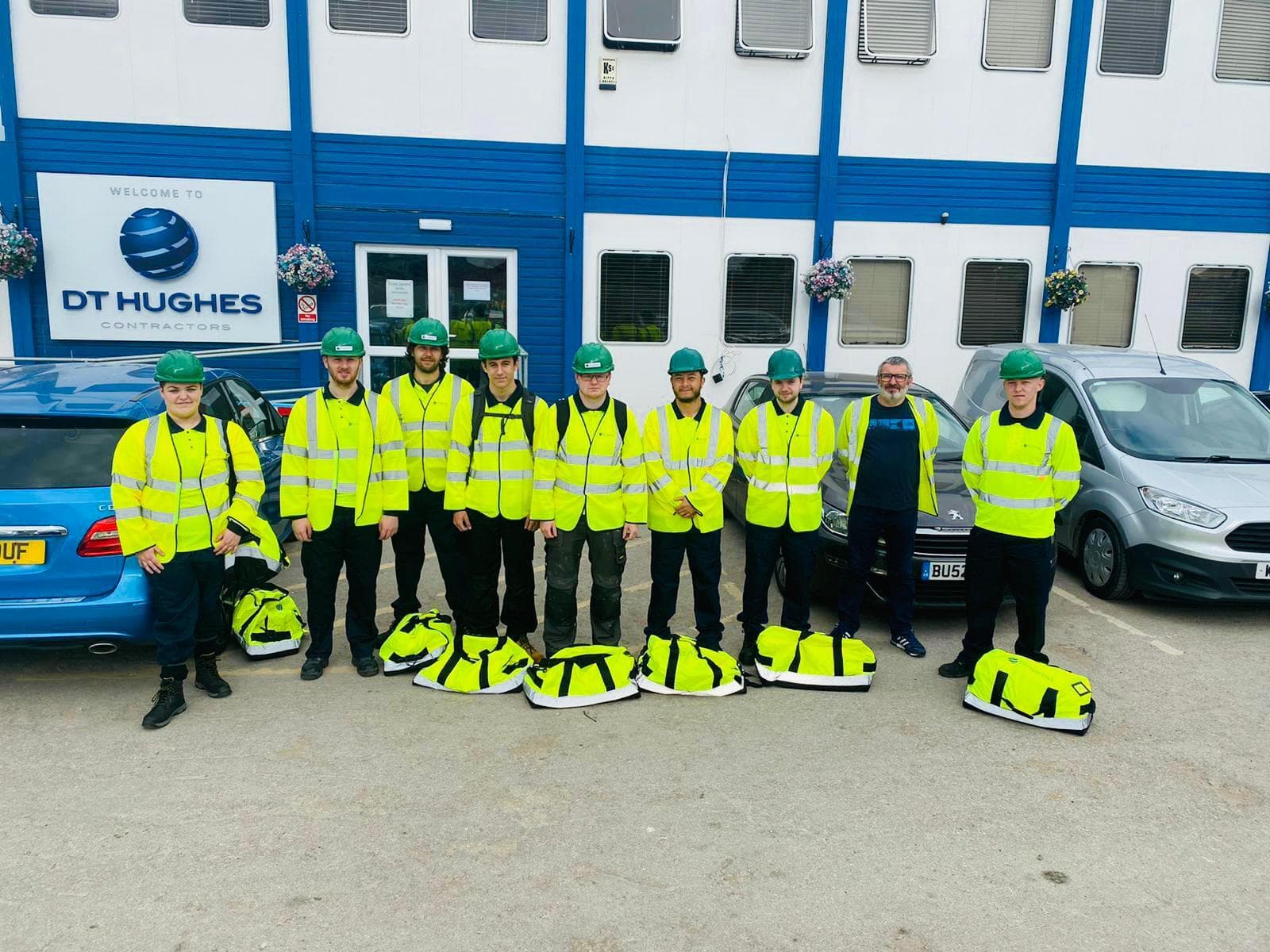
Groundworker Jobs Liverpool: Career Guide | DT Hughes
Our guide covers what the role involves, pay, progression, and how to get into groundworking in the UK.
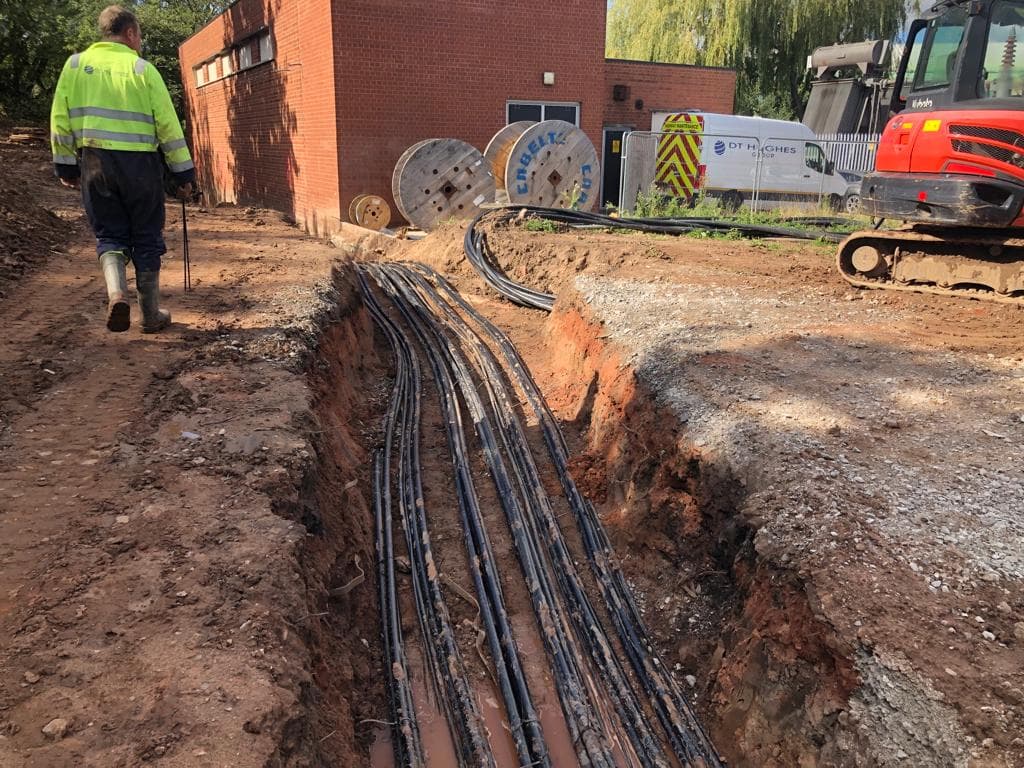
Groundworks Liverpool: What's Involved & When | DT Hughes
Our guide covers what groundworks include, when they happen, foundation types, and how to choose a local contractor.

House Extensions in Liverpool: What You Need to Know Before You Start
Planning a house extension in Liverpool? Find out what to consider before you start, from planning permission and costs to choosing the right builder for your project.