


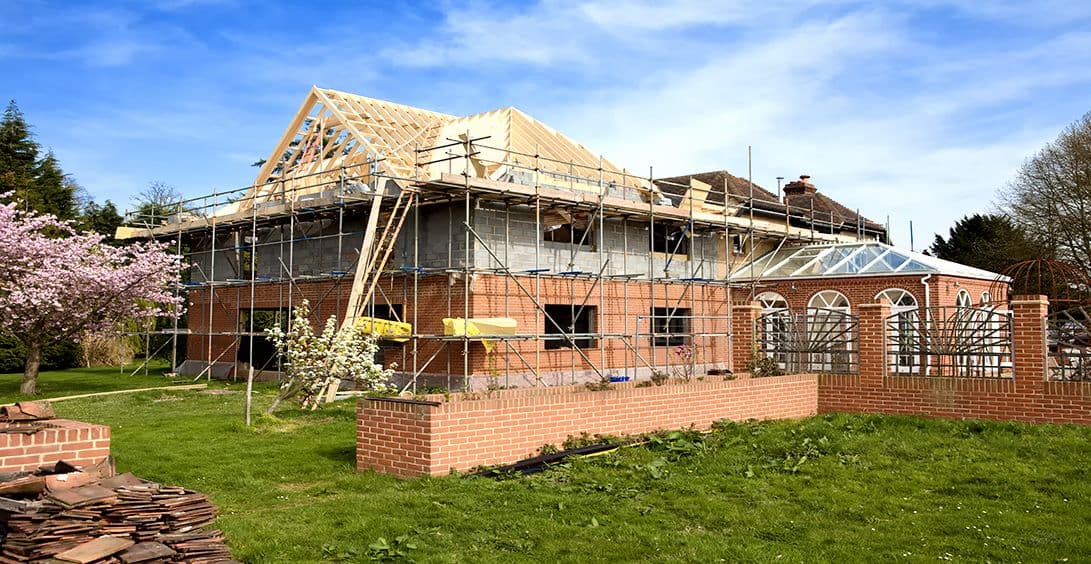
House Extensions in Liverpool
What to know before you get started.
A house extension is one of the most significant investments a homeowner can make. Done well it adds space, improves the way you live in your home, and adds real value to your property. Done poorly it costs more than it should, takes longer than planned, and leaves you with problems that are expensive to put right. Before any foundations go in, understanding the process, the decisions involved, and what to look for in a contractor is the most valuable preparation you can do. Find out how DT Hughes Group can help you get it right from the start.
What Are the Most Popular Types of House Extension in Liverpool?
There are several extension types that Liverpool homeowners commonly choose, each with different planning implications, cost ranges, and practical outcomes depending on the property and the space available.
A single storey rear extension is the most common starting point. It extends the footprint of the ground floor at the back of the property, typically to create a larger kitchen, dining area, or open plan living space. It is practical, relatively straightforward to build, and in many cases can be completed under permitted development rights without the need for full planning permission.
A double storey extension adds ground floor and first floor space simultaneously, delivering significantly more room for a proportionally lower cost per square metre than two separate single storey projects. It requires planning permission in almost all cases and involves more complex structural and design work, but for families needing additional bedrooms as well as ground floor space it is often the most cost-effective route.
A side return extension makes use of the narrow alley that runs alongside many Liverpool terraced and semi-detached properties. It is a particularly popular option in the city because of the high proportion of Victorian and Edwardian terraced housing in areas like Aigburth, Wavertree, Crosby, and Allerton. A well-executed side return can transform a galley kitchen into a generous open plan space and dramatically changes how the ground floor of the house feels.
A wrap-around extension combines a rear and side return into a single L-shaped structure, maximising the ground floor footprint and producing the most significant spatial transformation of all single storey options.
DT Hughes Group has been delivering domestic building work across the Liverpool City Region since the business was founded as DT Hughes Building Contractors in 1984. With in-house capability across groundworks, bricklaying, carpentry, plastering, roofing, electrical work, and plumbing, the full scope of an extension project is managed under one roof rather than relying on multiple subcontractors.
Do You Need Planning Permission for a House Extension in Liverpool?
Not always, but you need to understand the rules before you assume you do not. In England, permitted development rights allow certain types of extension to be built without a full planning application, subject to specific limits on size, height, materials, and the relationship of the extension to boundaries and neighbouring properties.
For a single storey rear extension the permitted development limit is generally up to four metres beyond the rear wall of the original house for a detached property and three metres for a terraced or semi-detached property, provided the height does not exceed four metres and the materials match the original building reasonably closely.
However permitted development rights do not apply in all circumstances. If your property is in a conservation area, is a listed building, or has had its permitted development rights removed by a condition attached to a previous planning permission, you will need to apply for planning permission regardless of the size of the extension. Many properties in Liverpool city centre, the Georgian Quarter, and other conservation areas fall into this category.
The safest approach is always to check with Liverpool City Council's planning department or seek advice from your contractor before committing to a design. A reputable builder will tell you what requires permission and what does not rather than encouraging you to proceed without checking.
How Much Does a House Extension Cost in Liverpool?
Cost is the question almost every homeowner asks first and it is also the one that is hardest to answer without knowing the specifics of the project. The honest truth is that no figure quoted online will be accurate for your extension because no two projects are the same.
The type and size of the extension is the most significant variable. A modest single storey rear addition will cost considerably less than a double storey project. The complexity of the design, the condition of the existing structure, access to the site, and the quality of finish and materials all affect the final figure.
Ground conditions matter particularly across Liverpool and Merseyside where the mix of Victorian and post-war housing stock means foundation requirements can vary considerably from one street to the next. What looks straightforward from the outside can involve additional groundworks once a proper assessment has been carried out.
The scope of associated works also has an impact. An extension that requires electrical rewiring, new plumbing routes, or structural alterations to the existing building will cost more than one that can be added with minimal disruption to the rest of the house.
The most reliable way to arrive at a realistic budget is to get a detailed quote from a contractor who has properly assessed your property, understood your brief, and set out clearly what is and is not included. DT Hughes Group provides thorough, transparent quotes based on the actual scope of your project. Get in touch to discuss your requirements and we will give you an honest picture of what your extension is likely to involve.
How Long Does a House Extension Take to Build in Liverpool?
Timelines vary depending on the type of extension, the size of the project, and what is discovered during the build. As a general guide, a straightforward single storey rear extension typically takes between eight and fourteen weeks from foundations to completion. A double storey extension or a more complex project involving significant structural work will take longer.
Planning permission, if required, adds time before the build even starts. Applications in Liverpool City Council typically take around eight weeks to be determined, though complex applications or those requiring consultation with conservation officers can take longer.
The most common cause of delays is poor planning at the outset. Scope that is not clearly defined before work begins, materials that are not ordered ahead of when they are needed, and structural issues that are only discovered once the existing fabric is opened up are all avoidable with thorough preparation and a contractor who manages the process proactively.
DT Hughes Group has been managing domestic building projects across Liverpool and Merseyside for over 40 years. That experience means potential complications are identified early, the build programme is managed realistically from day one, and homeowners are kept informed throughout rather than left to find out about problems after they have already caused delays.
How Do You Choose the Right Extension Builder in Liverpool?
Choosing the right contractor is the single most important decision in the whole process. The right builder will deliver a quality result on time and on budget. The wrong one will cost you more in remediation than you saved by choosing on price.
There are several things worth checking before you commit to a contractor for a house extension in Liverpool.
Local track record matters. A contractor who has been operating across the Liverpool City Region for years has a reputation to protect and a portfolio of completed work you can ask to see. References from previous clients in the area are worth requesting and following up.
In-house trades capability is important. An extension involves multiple disciplines working in sequence. A contractor who employs their own tradespeople across groundworks, bricklaying, carpentry, plastering, roofing, and finishing has more control over quality and programme than one who subcontracts each trade separately.
Transparency on cost and scope is non-negotiable. A detailed written quote that clearly sets out what is and is not included protects both parties and avoids disputes later. Be cautious of quotes that are significantly lower than others without a clear explanation of why.
Communication and project management make the difference between a build that feels under control and one that feels like a constant worry. A contractor who gives you a clear programme, keeps you updated, and addresses questions promptly is worth paying for.
DT Hughes Group has been delivering domestic building work across Liverpool since 1984, bringing all of the above together under the ethos of a family business that takes genuine pride in the quality of its work and the satisfaction of the people it works for. The business has been recognised for multiple awards, due to its commitment to quality and community, winning Family Business of the Year at the Employers Excellence Awards 2024 and the Outstanding Corporate Responsibility Award at the Employers Excellence Awards 2025.
House Extensions Across Liverpool and Merseyside
DT Hughes Group delivers domestic building work across the Liverpool City Region including areas such as Aigburth, Allerton, Crosby, Wavertree, West Derby, Woolton, Formby, and across Wirral and the surrounding areas. With over 40 years of experience working in the region and a full team of in-house tradespeople, DT Hughes offers the combination of local knowledge, genuine craft skill, and project management capability that a significant home investment deserves.
Planning a House Extension in Liverpool? Get in Touch With DT Hughes Today
If you are planning a house extension in Liverpool and want to discuss your project with an established local contractor, get in touch with the DT Hughes team today.
Frequently Asked Questions
Not always. Permitted development rights allow certain extensions to be built without a full planning application, subject to limits on size, height, and materials. However these rights do not apply to listed buildings, properties in conservation areas, or homes where permitted development rights have been removed by a previous planning condition. Always check with Liverpool City Council or seek advice from your contractor before proceeding.
Costs vary depending on the type, size, and specification of the extension along with the condition of the existing property and the complexity of the build. No two projects are the same and any figure quoted without a proper assessment of your property and brief is unlikely to be reliable. DT Hughes Group provides detailed, transparent quotes based on the actual scope of your project. Get in touch to discuss your requirements.
A straightforward single storey rear extension typically takes between eight and fourteen weeks from foundations to completion. Larger or more complex projects take longer. If planning permission is required this adds approximately eight weeks before the build can begin. Thorough planning at the outset and a contractor who manages the programme proactively are the most effective ways to keep a project on schedule.
A side return extension is one of the most popular and effective options for Liverpool terraced properties. It makes use of the narrow alley running alongside the property to extend the ground floor footprint, typically transforming the kitchen and creating an open plan living space. A rear extension is also a common choice where the garden allows sufficient depth for a meaningful addition.
Look for a contractor with a proven local track record, in-house trades capability across the full range of disciplines involved, transparency on cost and scope, and strong communication throughout the project. DT Hughes Group has been delivering domestic building work across the Liverpool City Region since 1984, with a full team of in-house tradespeople and a reputation built over 40 years of work in the region
More from the blog

Groundworker Jobs Liverpool: Career Guide | DT Hughes
Our guide covers what the role involves, pay, progression, and how to get into groundworking in the UK.
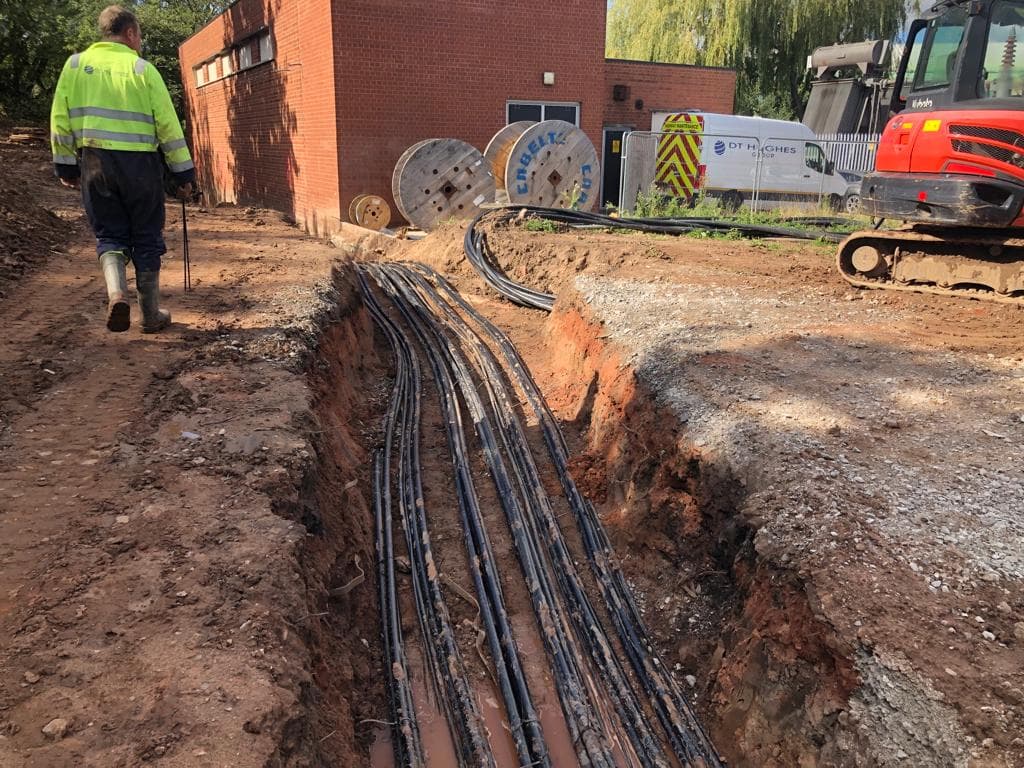
Groundworks Liverpool: What's Involved & When | DT Hughes
Our guide covers what groundworks include, when they happen, foundation types, and how to choose a local contractor.
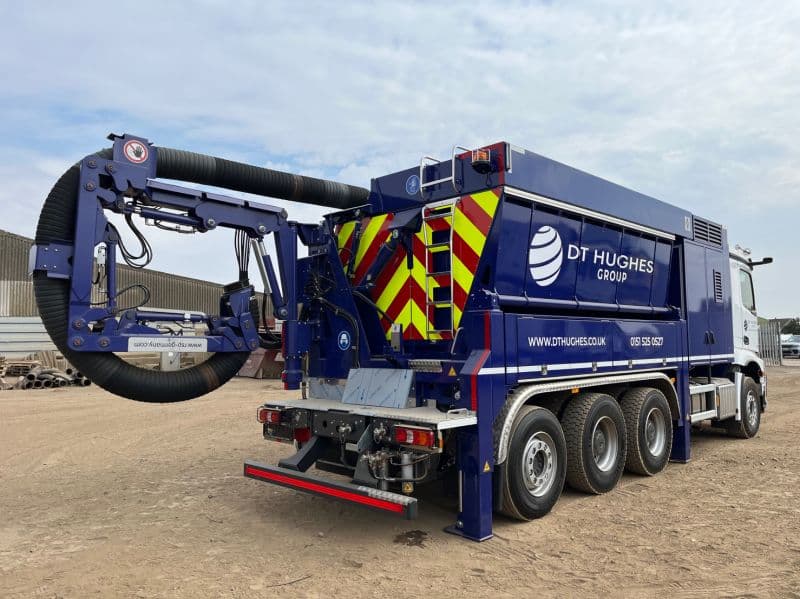
Vacuum Excavation vs Traditional Digging | DT Hughes
Compare vacuum excavation and traditional digging on safety, speed and cost, and find out which method is right for your site.