


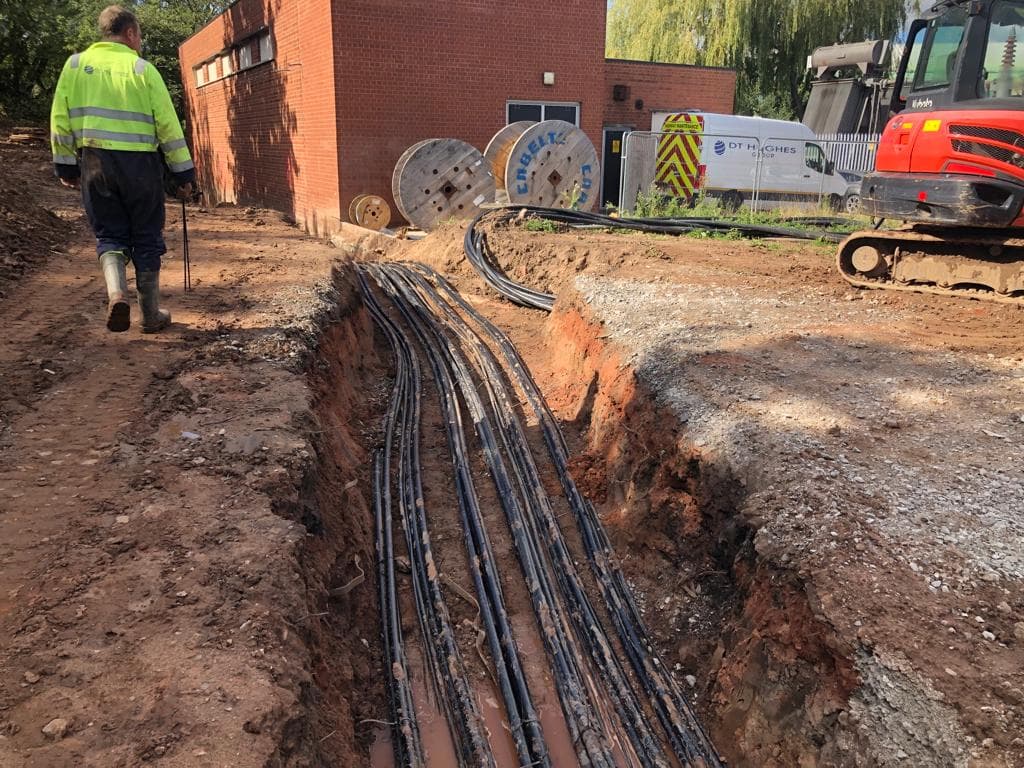
Groundworks in Liverpool: What's Involved and When Do You Need Them?
What groundworks include, when they happen, foundation types, and how to choose a local contractor.
Groundworks in Liverpool cover the foundational work that every building or outdoor project depends on, from extension footings and driveway installation to garden preparation and landscape design. At DT Hughes Group, groundworks are part of both our domestic building and landscape services, and have been since 1984. Here is what groundworks in Liverpool involve, when they are needed, and what to look for in a local contractor.
What Do Groundworks Include?
Groundworks cover the preparation, excavation, and foundational work that takes place before and during a construction or landscaping project. The term spans a wide range of activities, but the common thread is that they all happen below ground level or at the interface between the ground and the structure being built.
Typical groundworks activities include site preparation and clearance, excavation, extension footings and foundations, drainage, subbase preparation, concrete works, driveway and hardstanding installation, and the initial preparation work for patios, paths, and landscape designs. On most commercial and domestic projects, groundworks set the conditions for every trade that follows, which is why quality at this stage matters so much to the overall outcome.
The Groundworks Process: What Actually Happens On Site
Groundworks follow a fairly consistent sequence regardless of project type, even though the scale and detail vary considerably. Understanding the steps helps homeowners and clients plan realistically and spot quality issues early.
- Site survey and setting out. Before any ground is broken, the site is surveyed, levels are checked, and the build is set out against the approved drawings. This stage catches planning and design issues before they become expensive.
- Excavation. The ground is excavated to the depth required by the project and the soil conditions. Foundation depths in the UK are governed by Building Regulations Part A, which sets the minimum requirements for structural work, and by the ground conditions of the specific site.
- Foundation or footing construction. The foundation type depends on the project and the ground. Common options include strip foundations (a continuous concrete strip under load-bearing walls, typical for extensions), trench fill (concrete poured to the top of an excavation, used where ground conditions require deeper excavation), and raft foundations (a continuous concrete slab, used on weaker ground or for lighter structures).
- Drainage and service connections. Foul and surface water drainage is usually laid during the groundworks stage, along with any service ducting for electrics, gas, and water. Getting this right at this stage avoids disruptive work later.
- Subbase and concrete works. For driveways, patios, and hardstandings, a compacted subbase is laid and concrete or other surfaces are prepared. Concrete curing times matter, and are affected by temperature and moisture conditions, particularly in Liverpool winters.
- Handover to other trades. Once the groundworks are complete, the project moves above ground level and other trades take over. A well-run groundworks package creates no problems for the bricklayers, joiners, or drainage engineers that follow.
When Are Groundworks Needed in a Project?
Groundworks typically come at the start of a project, once the design is signed off and before any above-ground construction begins. For an extension, that means the footings are dug, the foundations are poured, and drainage connections are put in place before the walls go up. For a driveway, groundworks include excavation, subbase preparation, and drainage before the surfacing material is laid. For a garden or landscape project, groundworks cover the levelling, drainage, and base preparation that everything else sits on.
The timing matters because groundworks set the specification for every following trade. Getting the foundations wrong, or installing drainage in the wrong place, creates problems that are expensive to correct once the rest of the project is built on top.
How Long Do Groundworks Take in Liverpool?
Groundwork timelines depend heavily on the scope of the project, the condition of the site, and the ground conditions themselves. A typical single-storey extension footing and foundation job might take a week to ten days. A new driveway installation typically runs one to two weeks depending on size and drainage requirements. Larger projects involving significant excavation, drainage, or complex site conditions can run for several weeks.
Weather has a real impact on timelines. Heavy rain can delay excavation and concrete work, and winter conditions in Liverpool can affect concrete curing times. A reputable groundworks contractor in Liverpool will give you a realistic timeline at quote stage and keep you updated as the project progresses.
Types of Groundworks We Deliver in Liverpool
Our groundworks at DT Hughes Group are part of both our domestic building and landscape and groundworks services, both of which have been running since 1984. We deliver groundworks across the Liverpool City Region, usually as part of a broader project rather than as a standalone service, which means the handover between groundworks and the trades that follow is managed by the same team.
Common groundworks projects we work on include:
- Extension footings and foundations. Preparing the base for single-storey, double-storey, and side return extensions, with the associated excavation, concrete work, and drainage.
- Driveway installation and upgrades. Full groundworks for new driveways or upgrades to existing ones, including excavation, subbase preparation, drainage, and the base for block paving, resin, or tarmac surfaces.
- Garden and landscape groundworks. The preparation, levelling, and base work that sits underneath patios, paths, retaining features, and planting schemes.
- Groundworks as part of wider domestic building work. Groundworks also form part of full-scale refurbishments, rebuilds, and larger domestic building projects, integrating with bricklaying, joinery, plastering, roofing, electrical, and plumbing trades under the same DT Hughes team.
Choosing a Groundworks Contractor in Liverpool
The groundworks contractor in Liverpool you choose will have a bigger impact on the overall project than most homeowners realise. Poor groundworks don't just create problems at the foundation stage: they create problems that show up months or years later in settled floors, cracked walls, drainage issues, and subsidence.
A few things worth checking when you shortlist groundwork contractors in Liverpool:
- Track record on similar projects. A groundworks contractor should be able to show you completed projects of a similar scope. References from recent clients in Liverpool or the surrounding area are a genuine credibility marker.
- Integration with other trades. On domestic projects, groundworks rarely exist in isolation. A contractor who coordinates groundworks with the wider project, or who brings the other trades under one team, reduces the risk of handover problems between disciplines.
- Clear written quotes. Groundworks quotes should specify the excavation depth, the concrete specifications, the drainage arrangements, and any assumptions about ground conditions. Vague quotes often mean unexpected costs later.
- Local knowledge. Liverpool has a mix of housing stock, ground conditions, and site access challenges that local contractors handle regularly. A contractor with genuine local experience brings that familiarity to your project.
- At DT Hughes Group, our groundworks team has been operating across the Liverpool City Region since 1984, working across domestic building, landscape, and wider project scopes with the same in-house tradespeople on each project.
Frequently Asked Questions
Foundations are one specific element of groundworks. Groundworks cover a broader range of activities including site clearance, excavation, drainage, subbase preparation, concrete work, and the installation of foundations or footings themselves. On a typical extension project, the foundations are one part of the groundworks package, which also includes the excavation, drainage connections, and subbase that go with them.
Foundation depths depend on ground conditions and Building Regulations requirements. Strip foundations for a single-storey extension in the UK typically start at 1 metre deep, but can go deeper where the ground is weak, where there are nearby trees, or where clay soils are present. A groundworks contractor will assess the site and specify the required depth before excavation begins.
Groundworks themselves don't usually require planning permission, but the project they support often does. Extensions, new builds, and significant landscaping changes may require planning permission from Liverpool City Council, and most projects require Building Regulations approval. An experienced groundworks contractor will tell you at quote stage whether approvals are needed and can often handle the applications on your behalf.
Once the groundworks are complete and the foundations have cured, the above-ground construction begins. On an extension, bricklayers build the external walls, followed by roofing, joinery, plastering, electrics, and plumbing. When groundworks are part of an integrated domestic building package, the same team manages the handover between trades, which reduces coordination issues.
Timelines vary by project. Extension footings typically take a week to ten days, driveway installations one to two weeks, and larger projects with significant excavation or drainage can run several weeks. Weather has a real impact, particularly in winter when rain and low temperatures can affect excavation and concrete curing times. A reliable contractor will give you a realistic timeline at quote stage.
Start Your Groundworks Project With DT Hughes Group
If you are planning groundworks in Liverpool, whether for an extension, a driveway, a garden project, or as part of a wider domestic building scheme, our team at DT Hughes Group is ready to talk through your project. We deliver groundworks across the Liverpool City Region as part of domestic building and landscape services that have been running since 1984.
More from the blog

Groundworker Jobs Liverpool: Career Guide | DT Hughes
Our guide covers what the role involves, pay, progression, and how to get into groundworking in the UK.
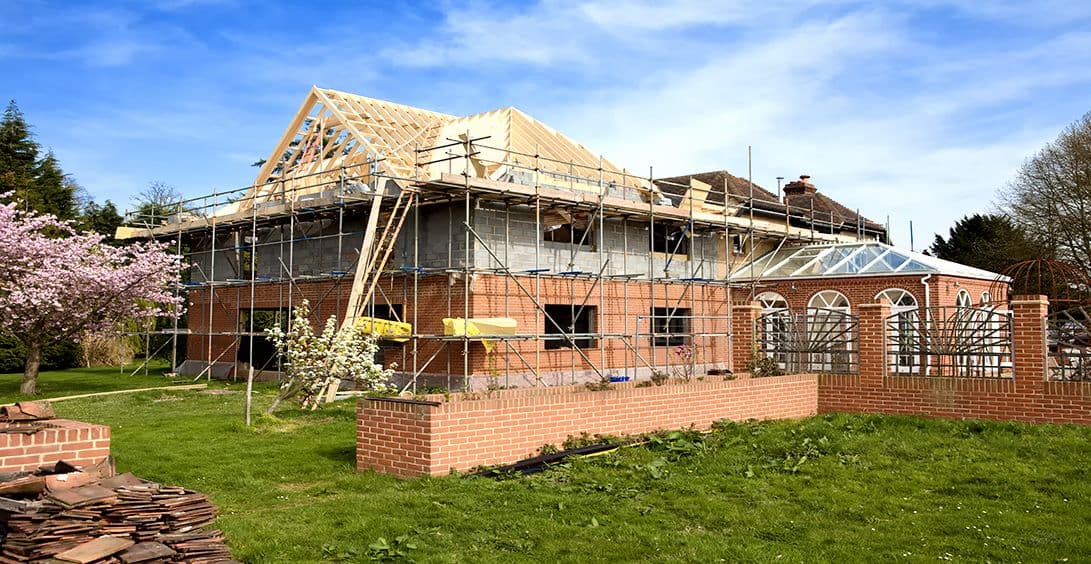
House Extensions in Liverpool: What You Need to Know Before You Start
Planning a house extension in Liverpool? Find out what to consider before you start, from planning permission and costs to choosing the right builder for your project.
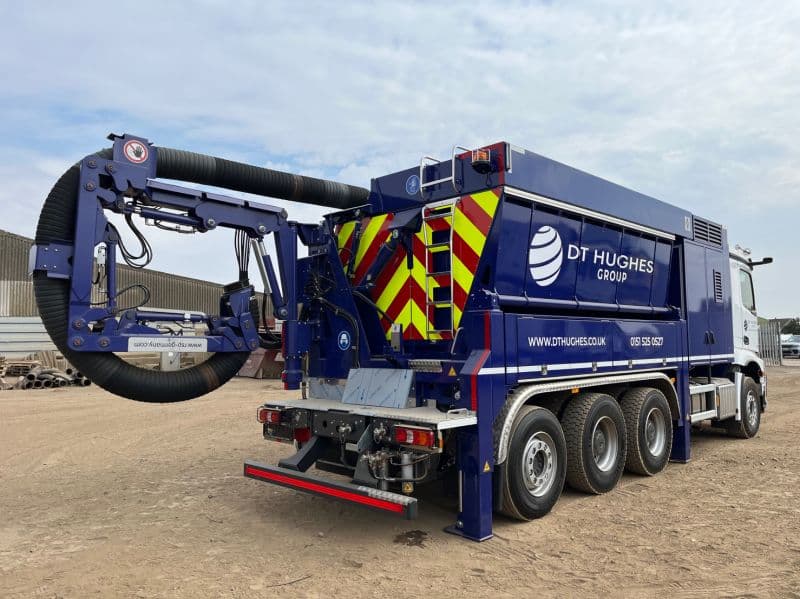
Vacuum Excavation vs Traditional Digging | DT Hughes
Compare vacuum excavation and traditional digging on safety, speed and cost, and find out which method is right for your site.