



Groundworker Jobs in Liverpool: What the Role Involves, Pay and Progression
What the role involves, pay, progression, and how to get into groundworking in the UK.
Groundworker jobs cover the first stage of any construction or landscaping project: preparing the ground and building the foundations that the rest of the project sits on. For most projects, that means excavation, concreting, drainage, and subbase work, usually with plant and hand tools, and always governed by the drawings and Building Regulations that set the specification. This guide covers what groundworker jobs in Liverpool actually involve, how the trade is paid, and how to get in.
What Does a Groundworker Actually Do?
A groundworker is responsible for the first stage of any construction or landscaping project: preparing the ground and building the foundations that the rest of the project sits on. On a typical domestic site, that means digging and forming footings for extensions, pouring concrete, laying drainage, installing subbases for driveways and patios, and handling the excavation and backfill work that allows other trades to get started.
The work is practical and physical. Groundworkers use tools and plant ranging from hand tools and shovels to mini excavators, compactors, and concrete pumps. Much of the work is measured, precise, and governed by Building Regulations and scheme designs, particularly when foundations and drainage are involved. Good groundworkers combine physical capability with attention to detail and an understanding of how the work fits into the wider project.
Key Responsibilities of a Groundworker
Groundworker responsibilities vary by project and employer, but the core day-to-day work usually covers:
- Excavation and site preparation. Digging footings, trenches, and service runs to the depth and dimensions set out in the scheme drawings. Clearing, levelling, and preparing ground for the work that follows.
- Concrete work. Pouring, levelling, and finishing concrete for foundations, slabs, and hardstandings. Ensuring the mix specification and curing conditions meet the requirements of the job.
- Drainage installation. Laying foul and surface water drainage, including pipes, gullies, and connections to the mains. Setting falls correctly so the drainage works properly once it's in the ground.
- Subbase and surfacing preparation. Installing and compacting subbases for driveways, patios, and hardstandings. Preparing the base that block paving, tarmac, resin, or slab surfaces are laid on.
- Operating plant and equipment. Using mini excavators, dumpers, compactors, and concrete pumps safely and efficiently. Many groundworkers hold plant operator tickets for specific machinery.
- Working to drawings and specifications. Reading scheme drawings, understanding Building Regulations requirements, and delivering work to the depth, spec, and tolerance set out in the design.
Who Groundworker Jobs Suit
Groundworker jobs suit people who want practical outdoor work and are comfortable with the physical side of construction. The role works well for people who value the quality of their work, enjoy seeing a tangible result at the end of each day, and prefer being on site over a desk job.
Attention to detail matters because a foundation set out incorrectly or drainage installed at the wrong fall creates problems that are expensive to fix later. Reliability matters because groundworks set the timeline for every trade that follows, and a delay at this stage pushes the whole project back. For people who want a trade they can build a career in, groundworking offers a genuine route from entry-level work through to supervisor, site manager, and beyond.
Pay and Progression in Groundworker Jobs
Pay for groundworker jobs varies by experience, region, and employer, but the structure of how the trade is paid is worth understanding if you are considering it as a career.
- Day rates versus salary. Many groundworkers are paid on a day rate, particularly at operative level. Day rates typically increase with experience, plant tickets, and specialist capability. Supervisor and site management roles are more often salaried, with additional pay structures for overtime and weekend work.
- Pay by experience level. Entry-level labourers and trainees sit at the lower end of the industry range. Experienced groundworkers with plant tickets and specialist capability sit higher. Groundworks supervisors and gangers running teams sit higher again, reflecting the additional responsibility.
- Overtime, weekend, and specialist weightings. Weekend work, overtime, and specialist tasks such as drainage or large-scale concreting often carry additional pay weightings. Nights and shift work are less common in domestic groundworks but can feature in utility or civil engineering projects.
- Progression routes. The standard career path starts as a labourer or trainee groundworker, progresses to experienced groundworker, then to groundworks supervisor or ganger leading a team, and opens up into site management, plant operation specialisms, or related trades. Industry-recognised qualifications from bodies like the Construction Industry Training Board (CITB) support progression at each stage.
For exact pay details with DT Hughes Group, speak to our recruitment team directly.
How to Become a Groundworker in the UK
Many people enter the industry with no prior experience, starting as a labourer or trainee groundworker and picking up the trade on site. Others come in through apprenticeships or construction courses. The common entry requirements are:
- A CSCS card. The Construction Skills Certification Scheme card is expected on most UK construction sites, at green labourer level for entry roles and at higher levels as you progress. Our DT Hughes Training Academy offers CSCS certification alongside other industry training.
- Manual handling and first aid certification. Standard site safety requirements that employers often provide or organise.
- A full UK driving licence. Usually required, particularly for getting to varied site locations. Some roles also require plant operator tickets for specific machinery.
- Physical capability. Groundworking is physical work, and the ability to handle that side of the role matters for both safety and performance.
- Willingness to learn on site. Most of what makes a good groundworker is picked up through experience with skilled tradespeople on live projects. The industry rewards people who pay attention and want to progress.
Working in Groundworker Jobs at DT Hughes Group
DT Hughes Group has been delivering domestic building and landscape work across the Liverpool City Region since 1984, with groundworks forming a core part of both services. Our groundworkers work alongside bricklayers, joiners, plasterers, roofers, electricians, and plumbers under the same team, which means groundworker jobs at DT Hughes sit within integrated projects rather than standalone subcontracted work.
We support our workforce through ongoing training at the DT Hughes Training Academy, which offers CSCS certification, manual handling, first aid, mental health awareness, and other courses relevant to construction careers. For groundworkers looking to progress, the broader group structure also opens up routes into wider civil engineering work, plant operation, and SP Energy Networks authorisations through the Academy's planned programmes.
Frequently Asked Questions
A groundworker prepares and builds the foundations that most construction and landscaping projects depend on. Day-to-day tasks include excavation, pouring and finishing concrete for foundations, laying drainage, installing subbases for driveways and patios, and operating plant and equipment such as mini excavators and compactors. The work is physical, outdoor, and governed by scheme drawings and Building Regulations.
Many people become groundworkers with no prior experience, starting as a labourer or trainee and learning on site. Entry requirements usually include a CSCS card, a full UK driving licence, manual handling and first aid certification, and physical capability. Apprenticeships and construction courses are alternative routes in. Our Training Academy offers the foundation certifications needed to start.
Groundworking is a genuine trade with clear progression from entry-level through to supervisor, site management, and specialist roles. Demand tends to be steady across construction, utilities, and landscaping, which gives the role a level of security that matters for a long-term career. It suits people who want practical outdoor work and are comfortable with the physical side of construction.
Most groundworker roles require a CSCS card (starting at green labourer level for entry), manual handling and first aid certification, and usually a full UK driving licence. Plant operator tickets are needed for specific machinery. Employers often provide or organise the initial training, which makes the trade accessible to people entering without prior experience.
There is no single qualification that marks a groundworker as "fully qualified". Capability is built on site over several years, progressing from labourer to trainee to experienced groundworker, adding plant tickets, specialist certifications, and supervisor qualifications along the way. In practice, genuinely experienced groundworkers typically emerge after three to five years of consistent site work.
Start Your Groundworker Career With DT Hughes Group
If you are looking at groundworker jobs in Liverpool and want to speak to an established local employer, our team at DT Hughes Group is ready to talk through the roles available. We deliver groundworks across the Liverpool City Region as part of an integrated domestic building and landscape service that has been running since 1984.
More from the blog
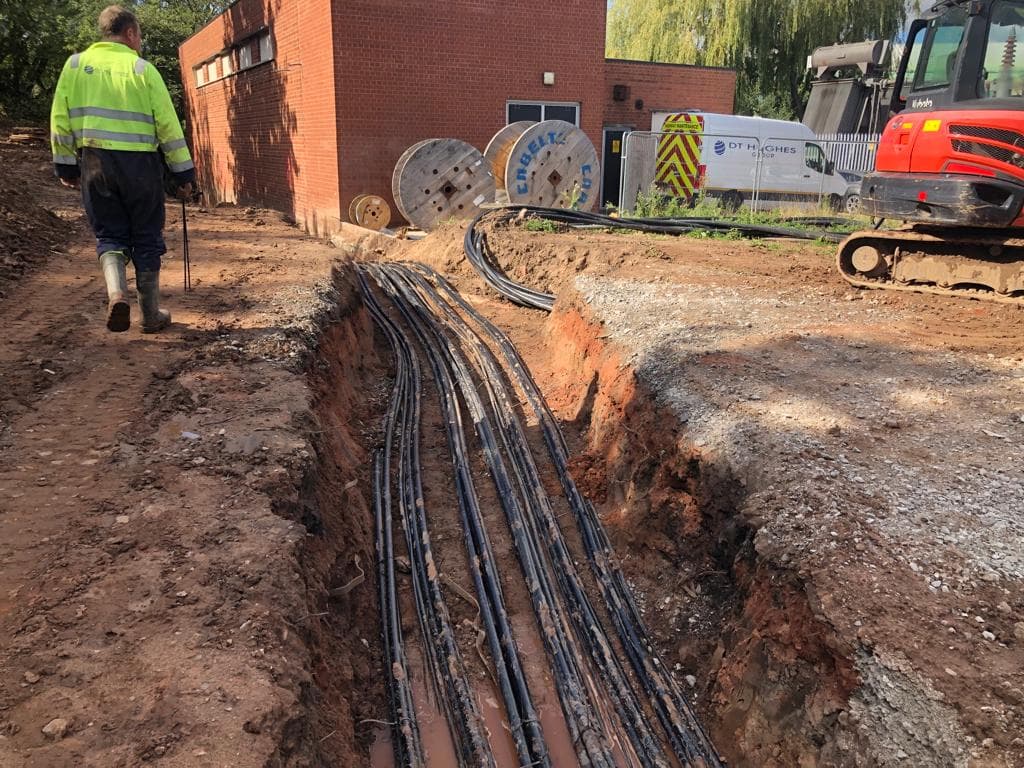
Groundworks Liverpool: What's Involved & When | DT Hughes
Our guide covers what groundworks include, when they happen, foundation types, and how to choose a local contractor.
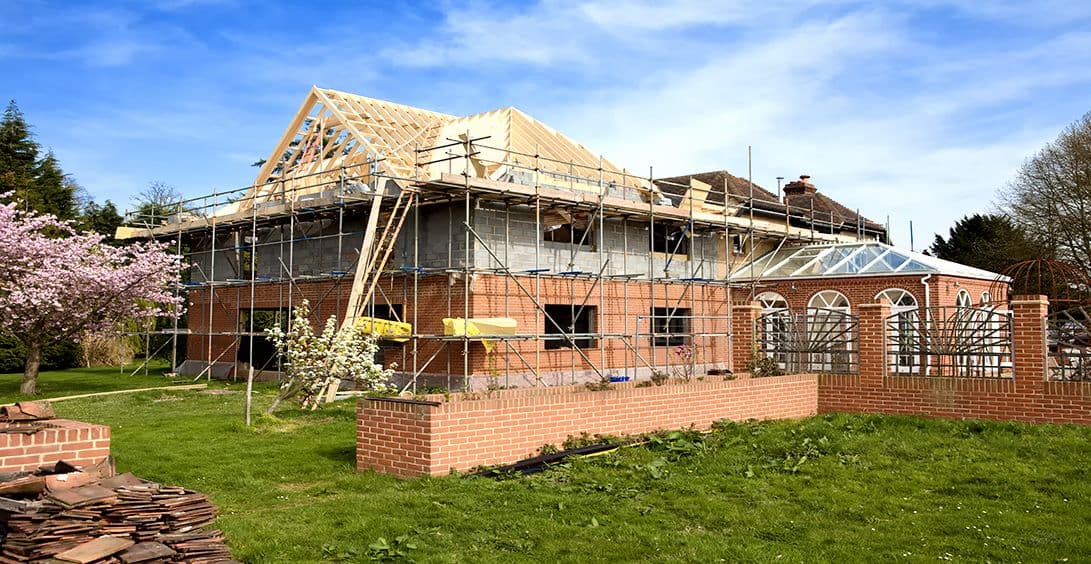
House Extensions in Liverpool: What You Need to Know Before You Start
Planning a house extension in Liverpool? Find out what to consider before you start, from planning permission and costs to choosing the right builder for your project.
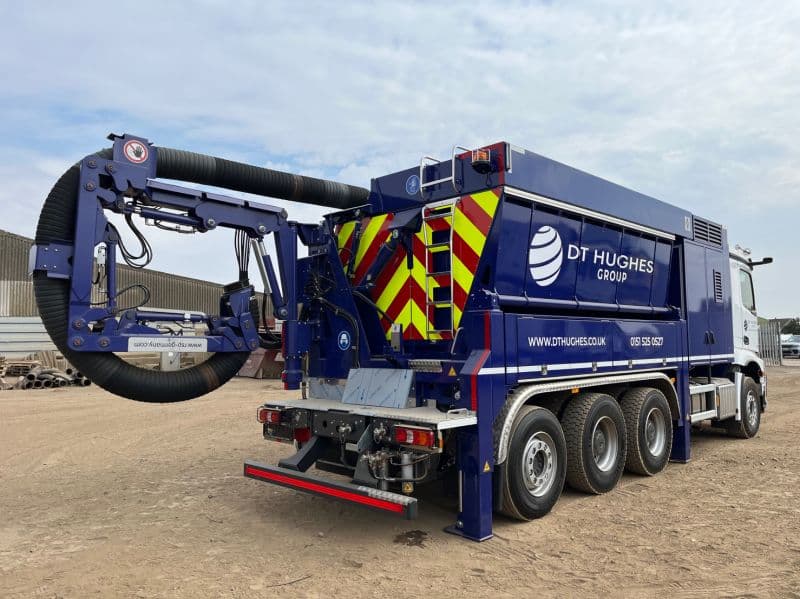
Vacuum Excavation vs Traditional Digging | DT Hughes
Compare vacuum excavation and traditional digging on safety, speed and cost, and find out which method is right for your site.