


What is a CSCS Card and Who Needs One on a UK Construction Site?
A CSCS card is proof that you hold the right qualifications and health and safety knowledge to work on a UK construction site. The majority of principal contractors and site managers require every worker to carry one before they are permitted on site. Whether you are starting out in construction, returning to the industry, or looking to formalise your skills, getting your CSCS card is one of the first steps you need to take. Find out how the DT Hughes Training Academy can help you get qualified.
What Does a CSCS Card Actually Prove?
The Construction Skills Certification Scheme was set up to raise standards and reduce accidents across the UK construction industry. The card itself is evidence that the person carrying it has completed a recognised qualification relevant to their role and passed the Health, Safety and Environment test.
For employers and principal contractors, it is a quick and reliable way to confirm that the people working on their sites meet a minimum standard of training. For workers, it is increasingly the difference between getting on site and being turned away at the gate.
At DT Hughes Group, CSCS certification is one of the core qualifications offered through the DT Hughes Training Academy, established in October 2020 in Aintree, Liverpool. The Academy was built specifically to equip workers in construction and civil engineering with the qualifications they need to work safely, progress in their careers, and meet the standards expected by employers across the Liverpool City Region, Wirral, and North Wales. You can find out more about the full range of courses available at the Academy here.
How Many Types of CSCS Card Are There?
There are several card types within the scheme, each designed for a different role or level of qualification. The most commonly held cards are as follows.
The Green Labourer Card is for those working in a labourer role who hold a Level 1 Award in Health and Safety in a Construction Environment. It is the entry point for many people starting out in the industry.
The Blue Skilled Worker Card is for tradespeople who hold a relevant NVQ or SVQ at Level 2. This covers a wide range of trades including groundworking, bricklaying, carpentry, and electrical installation.
The Gold Skilled Worker Card is for those with an NVQ or SVQ at Level 3 and is commonly held by experienced tradespeople and advanced operatives.
The Gold Supervisor Card is for site supervisors and team leaders who hold an NVQ at Level 3 alongside a supervisory qualification.
The Black Manager Card is for site managers and project managers holding an NVQ at Level 4, 5, 6, or 7.
There are also specialist and professionally qualified cards for roles that sit outside the standard trade and management pathway. If you are unsure which card applies to your role, the DT Hughes Training Academy can point you in the right direction.
Who Needs a CSCS Card on a Construction Site?
The short answer is almost everyone. While CSCS cards are not a legal requirement in a strict statutory sense, the vast majority of UK construction sites operated by principal contractors require all workers and visitors to carry a valid card. This includes tradespeople, labourers, site managers, and specialist operatives.
Industry bodies including the Construction Industry Training Board and the Health and Safety Executive strongly support the scheme. Most large contractors, housing associations, utility companies, and local authority frameworks will not permit workers on site without one.
For anyone working in construction or civil engineering across the Liverpool City Region, Merseyside, Wirral, or North Wales, a valid CSCS card is effectively a prerequisite for employment on most commercial and public sector sites. DT Hughes Group, which has operated across this region since 1984 and holds framework agreements with SP Energy Networks for Distribution Underground Cable Works across the Merseyside District, requires its own workforce to hold the appropriate qualifications as standard. If you are looking for construction and civil engineering roles in the region, you can view current opportunities here.
What Is the CSCS Health, Safety and Environment Test?
Before applying for most CSCS cards you need to pass the Health, Safety and Environment test, commonly referred to as the HS&E test or simply the CSCS test. This is a touchscreen assessment delivered at approved testing centres and checks your knowledge of health and safety practices relevant to construction sites.
The test is available at different levels depending on your role. There is an operative level test for those in labourer and trade roles, a supervisory test for team leaders, and a managerial and professional test for those in senior positions. The result is valid for two years and must be in place before your card application can be processed.
Preparation is straightforward. CSCS provides a revision app and there are widely available resources to help candidates get comfortable with the format. Most people who give it reasonable preparation time pass on their first attempt.
How Do You Get CSCS Training in Liverpool?
Getting your CSCS card involves three clear steps. You need to hold or be working towards the relevant qualification for your card type. You need to pass the appropriate Health, Safety and Environment test. Then you apply for the card through the CSCS website.
For people in Liverpool and across Merseyside, completing your training locally is the most practical route. The DT Hughes Training Academy in Aintree offers CSCS training as part of a broader programme of construction and civil engineering qualifications. Established in 2020, the Academy has become a recognised resource for professional development in the region, supporting both new entrants to the industry and experienced workers looking to formalise their skills.
The Academy's broader curriculum includes first aid, manual handling, mental health awareness, and financial advice alongside technical qualifications, reflecting DT Hughes's long-standing commitment to workforce development across the Liverpool City Region. DT Hughes invested £4.6m in social value initiatives in 2024, a commitment that includes the programmes, training, and community support delivered through the Academy and the DT Hughes Foundation. To find out more about CSCS training and the full course programme, visit the Training Academy page.
How Long Does It Take to Get a CSCS Card?
The timeline depends on which card you are applying for and whether you already hold a relevant qualification. For the Green Labourer Card, it is possible to complete the Level 1 Award and pass the HS&E test within a matter of days if you train intensively. For trade cards that require an NVQ, the qualification itself will take longer depending on how it is delivered and assessed.
The card application is processed once your qualification and test result are confirmed. If you are already qualified and simply need to pass the HS&E test, the route from registration to card in hand can be completed relatively quickly. A training provider with direct experience of the process is the fastest way to understand the exact route for your specific situation and card type.
What Happens If You Work on Site Without a CSCS Card?
Most sites will not allow it. Workers without a valid card are regularly turned away at site inductions, meaning lost working days and in some cases lost contracts. For employers, permitting unqualified workers onto a managed site can affect their standing with principal contractors and their ability to bid for future work.
For individuals, working without a card limits your options in a market where more clients, local authorities, and utility frameworks are making it a non-negotiable requirement. Getting your card is not simply a box to tick. It reflects genuine health and safety knowledge and a professional standard that experienced employers across construction, utilities, and civil engineering consistently look for.
Ready to Get Your CSCS Card? Start With the DT Hughes Training Academy
Getting your CSCS card is not simply a box to tick before starting work. It is the foundation of a construction career built on the right qualifications, the right knowledge, and the professional standards that employers across Liverpool, Merseyside, and the wider North West consistently look for. The DT Hughes Training Academy in Aintree has been helping workers get qualified since 2020, backed by over 40 years of real industry experience.
If you are based in Liverpool or across Merseyside and want to get your CSCS card training sorted, the DT Hughes Training Academy in Aintree is ready to help. Get in touch with the team today.
Frequently Asked Questions
A CSCS card verifies that a construction worker holds the appropriate qualifications and health and safety knowledge for their role. It is required on the majority of UK construction sites managed by principal contractors and is the recognised standard of proof of competence across the construction and civil engineering industry.
Costs vary depending on your card type and training route. You will typically pay separately for your training course, the Health, Safety and Environment test, and the card application fee. Speaking directly to a training provider is the most reliable way to get an accurate figure for your specific card type and starting point.
There is no specific law that mandates a CSCS card, but the majority of sites operated by principal contractors require all workers to hold one before starting work. For people working in construction, utilities, or civil engineering across the UK, a valid CSCS card is effectively essential for regular employment on commercial and public sector sites.
The qualification required depends on the card you are applying for. The Green Labourer Card requires a Level 1 Award in Health and Safety in a Construction Environment. Trade cards require an NVQ or SVQ at Level 2 or above in the relevant discipline. All applicants must also pass the CSCS Health, Safety and Environment test before their application is processed.
The DT Hughes Training Academy in Aintree, Liverpool offers CSCS training as part of a wider programme of construction and civil engineering courses. The Academy supports both new entrants and experienced workers looking to formalise their qualifications and can advise on the right card type and training route for your situation.
More from the blog
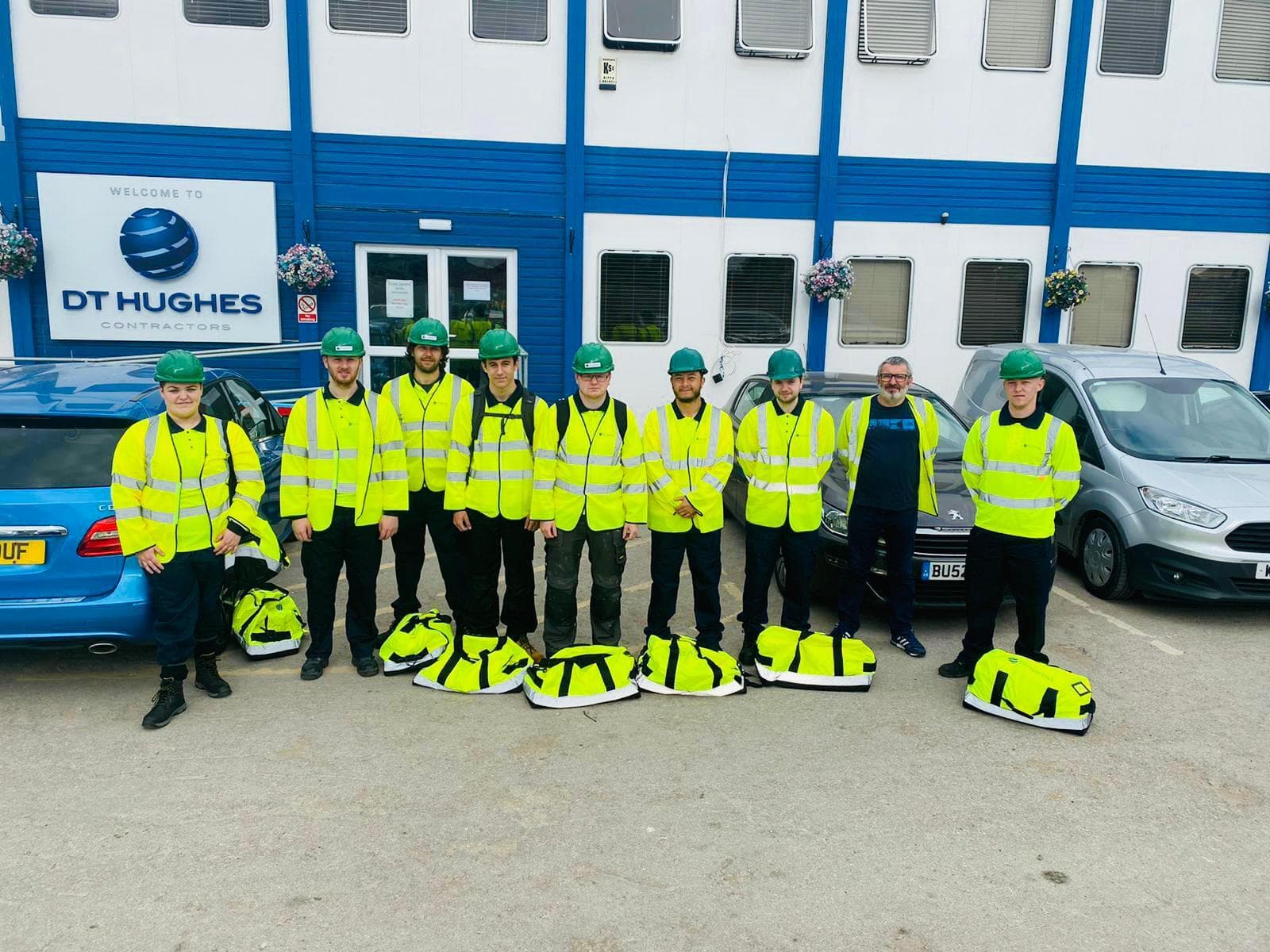
Groundworker Jobs Liverpool: Career Guide | DT Hughes
Our guide covers what the role involves, pay, progression, and how to get into groundworking in the UK.
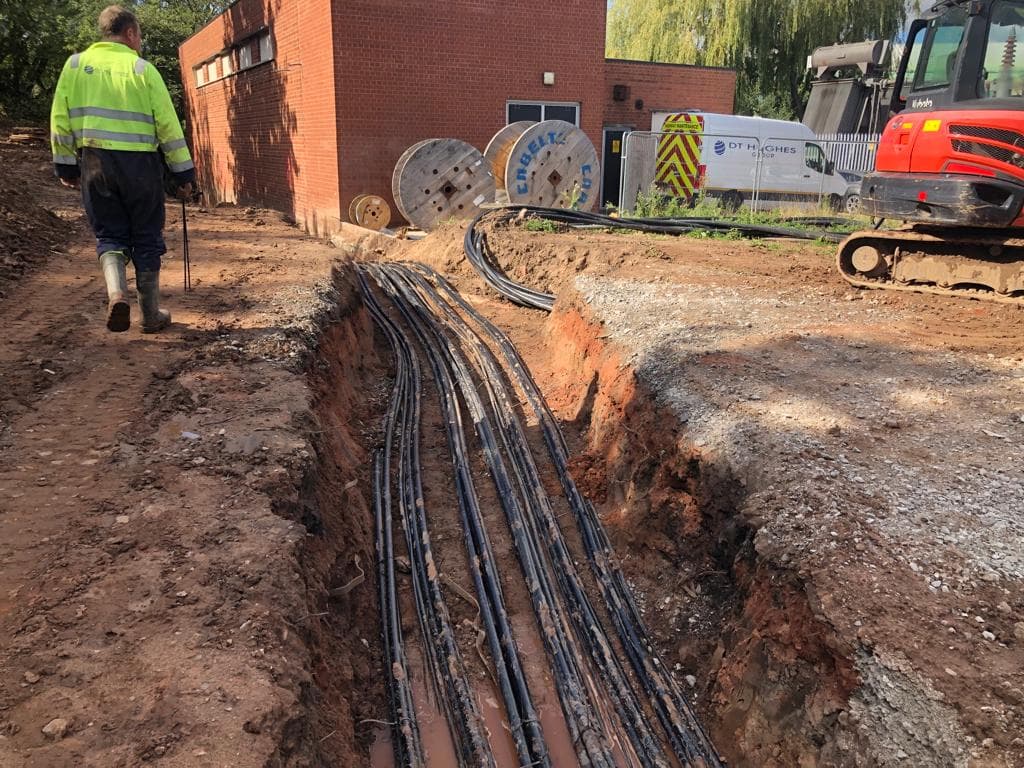
Groundworks Liverpool: What's Involved & When | DT Hughes
Our guide covers what groundworks include, when they happen, foundation types, and how to choose a local contractor.

House Extensions in Liverpool: What You Need to Know Before You Start
Planning a house extension in Liverpool? Find out what to consider before you start, from planning permission and costs to choosing the right builder for your project.