


Health and Safety in Construction: The Courses That Actually Matter
Health and safety training is not optional in construction. It is the foundation that keeps workers safe, sites compliant, and businesses operating. But not every course carries the same weight, and knowing which qualifications are genuinely valued by employers and principal contractors is what separates people who get on site from people who do not. This guide covers the health and safety courses that matter most in construction and civil engineering, and how to get them in Liverpool.
Why Health and Safety Training Is Non-Negotiable in Construction
Construction remains one of the most hazardous industries in the UK. Working at height, operating heavy plant, excavating around live utilities, managing traffic on and around active sites; every one of these tasks carries real risk if the people involved have not been properly trained.
Health and safety training exists to reduce that risk. It gives workers the knowledge to identify hazards, follow correct procedures, and respond appropriately when something goes wrong. For employers, a trained workforce is not just a legal and ethical responsibility. It is a direct factor in winning contracts, maintaining accreditations, and protecting the business from liability.
At DT Hughes Group, health and safety is embedded into every service the business delivers. As a NERS authorised contractor with long-standing framework agreements with SP Energy Networks across the Merseyside District, DT Hughes operates to some of the most demanding safety standards in the utility and civil engineering sector. That same culture of safety runs through the DT Hughes Training Academy, which has been delivering construction and civil engineering training from its base in Aintree, Liverpool since October 2020.
What Are the Most Important Health and Safety Courses for Construction Workers?
There are a number of qualifications that come up consistently across construction, utilities, and civil engineering. The ones below are the courses that employers and principal contractors most commonly require, and that genuinely make a difference to your prospects on site.
CSCS Card
The CSCS card is the baseline qualification for working on the majority of UK construction sites. It proves you have passed the Health, Safety and Environment test and hold the appropriate qualification for your role. Without it, most sites managed by principal contractors will not let you through the gate. The DT Hughes Training Academy offers CSCS training as a core part of its programme.
Find out more information about the CSCS Card.
First Aid at Work
A recognised first aid qualification is a requirement for many site roles, particularly supervisors and anyone working in a position of responsibility. Construction First Aid courses are typically delivered over one to three days depending on the level, and cover emergency response, CPR, and dealing with common site injuries. The DT Hughes Training Academy delivers first aid training as part of its construction qualification programme.
Manual Handling
Manual handling injuries are among the most common in construction. A manual handling course covers how to lift, carry, and move loads safely, reducing the risk of musculoskeletal injury on site. It is a standard requirement across most construction, utilities, and groundworks roles and is included in the DT Hughes Training Academy curriculum.
Working at Height
Falls from height remain one of the leading causes of serious injury and fatality in UK construction. Working at height training covers the correct use of ladders, scaffolding, and other access equipment, as well as how to carry out and document a working at height risk assessment.
Asbestos Awareness
Anyone working in construction, refurbishment, or maintenance who may encounter asbestos in older buildings is required to hold asbestos awareness training. It does not qualify workers to remove asbestos but ensures they can recognise it and follow the correct procedure if it is found on site.
Confined Spaces
For those working in utilities, drainage, or underground infrastructure, confined space training is essential. Working in manholes, ducts, or other restricted environments without the correct training and procedures in place carries serious risk. This is particularly relevant for operatives working in the kind of underground network environments that DT Hughes and its utility maintenance teams work in daily across Merseyside and Wirral.
Which Health and Safety Courses Do Employers in Construction Actually Value?
The qualifications that matter most are the ones tied to the work being done and the standards of the clients commissioning that work. For anyone working with large principal contractors, utility companies, housing associations, or local authorities across the North West, the non-negotiables are generally the CSCS card, first aid, and manual handling as a minimum. From there, the courses that add the most value are those directly relevant to the role and the site environment.
DT Hughes Group has operated in construction and civil engineering since 1984. In that time the business has won the Family Business of the Year award at the Employers Excellence Awards 2024, the Outstanding Corporate Responsibility Award at the Employers Excellence Awards 2025, and the Street Works UK Communication and Community Engagement Award at the House of Commons in 2025. The workforce behind those achievements is one that has been consistently trained, developed, and supported through the DT Hughes Training Academy and the business's broader commitment to workforce development.
That experience means when the Academy recommends a course, it is based on what actually matters to employers and clients in the real world, not just what looks good on a list.
Are There Health and Safety Courses Designed Specifically for Adults Getting Into Construction?
Yes, and this is an area where provision has improved significantly in recent years. Construction courses for adults are designed to be practical, flexible, and directly tied to employment rather than academic outcomes. Whether you are a career changer, someone returning to work, or an experienced operative who needs to formalise qualifications you have built up on the job, there are clear routes available.
The DT Hughes Training Academy has been designed with exactly this in mind. Established in October 2020, the Academy offers training that is accessible to people at different stages of their career and experience level. Its curriculum spans CSCS certification, first aid, manual handling, mental health awareness, and financial wellbeing alongside more technical qualifications, making it a resource for the whole person rather than just the worker.
DT Hughes has also been awarded Elevate EBP 2026 Patron Status in recognition of its commitment to supporting young people across the Liverpool City Region with careers education and skills development. That same commitment to opening doors in the industry extends through the Academy to adults at every stage of their working life.
What Is Mental Health Awareness Training and Why Does It Matter on Construction Sites?
Mental health in construction is a serious issue that the industry has historically not spoken about enough. Rates of poor mental health and suicide are disproportionately high among workers in the construction sector compared to the general population. Awareness training helps site managers, supervisors, and colleagues recognise the signs of someone who may be struggling, have conversations that make a difference, and understand the support available.
The DT Hughes Foundation, a Community Interest Company established in January 2024, is specifically focused on mental health awareness and suicide prevention with particular attention to workplaces, schools, and local communities across the Liverpool City Region. The Foundation has delivered workshops in schools across Merseyside, partnered with BreakFree to offer one to one and small group support for addiction, and hosted events including a charity match at Goodison Park in memory of colleagues Peter Williams and Kieran McKay.
Mental health awareness training is included in the DT Hughes Training Academy curriculum because DT Hughes understands, from direct experience, that a safe site is not just about physical hazards. It is about the wellbeing of the whole workforce.
How Do You Get Construction Health and Safety Training in Liverpool?
For anyone in Liverpool, Merseyside, Wirral, or across the wider North West looking to get their health and safety qualifications in place, the DT Hughes Training Academy in Aintree is a practical, established option. The Academy has been delivering training since 2020 and is backed by a business with over 40 years of direct experience in construction, civil engineering, and utility maintenance across the region.
Training is delivered by people who work in the industry, which means the content is grounded in real site experience rather than purely theoretical instruction.
Find Out What Training Is Right for You at the DT Hughes Training Academy
Health and safety training is not a cost to be minimised. It is an investment in the safety of your workforce, the credibility of your business, and the quality of every project you deliver. The DT Hughes Training Academy in Aintree offers practical, industry-grounded training delivered by people who work in construction and civil engineering every day.
Whether you need a single qualification or want to build a broader professional development plan, the Academy can advise on the right route for your situation. Get in touch with the team to find out more.
Frequently Asked Questions
The most commonly required qualifications are a valid CSCS card, a first aid certification, and manual handling training. From there, the courses that matter most depend on your specific role and the type of sites you work on. Working at height, asbestos awareness, and confined spaces training are also widely required across construction, utilities, and civil engineering roles in the UK.
Some are mandatory by law, such as appropriate training for working at height or handling hazardous materials. Others, such as the CSCS card, are not a strict legal requirement but are effectively mandatory in practice because the majority of principal contractors will not allow workers on site without one. Employers also have a legal duty of care to ensure their workforce is properly trained for the tasks they carry out.
It depends on the course. Manual handling and asbestos awareness can typically be completed in a day. First aid courses range from one to three days depending on the level. CSCS training timelines vary based on which card you are applying for and whether you already hold a relevant qualification. The DT Hughes Training Academy can advise on the most efficient route for your specific situation.
Yes. Many health and safety courses are designed to be accessible to people at the start of their construction career, including those with no previous site experience. The DT Hughes Training Academy in Aintree, Liverpool offers training for people at all stages, from those entering the industry for the first time through to experienced workers updating or formalising their qualifications.
The DT Hughes Training Academy in Aintree offers a range of health and safety courses for construction and civil engineering workers across Liverpool and Merseyside. Courses include CSCS training, first aid, manual handling, and mental health awareness, delivered by professionals with direct industry experience.
More from the blog
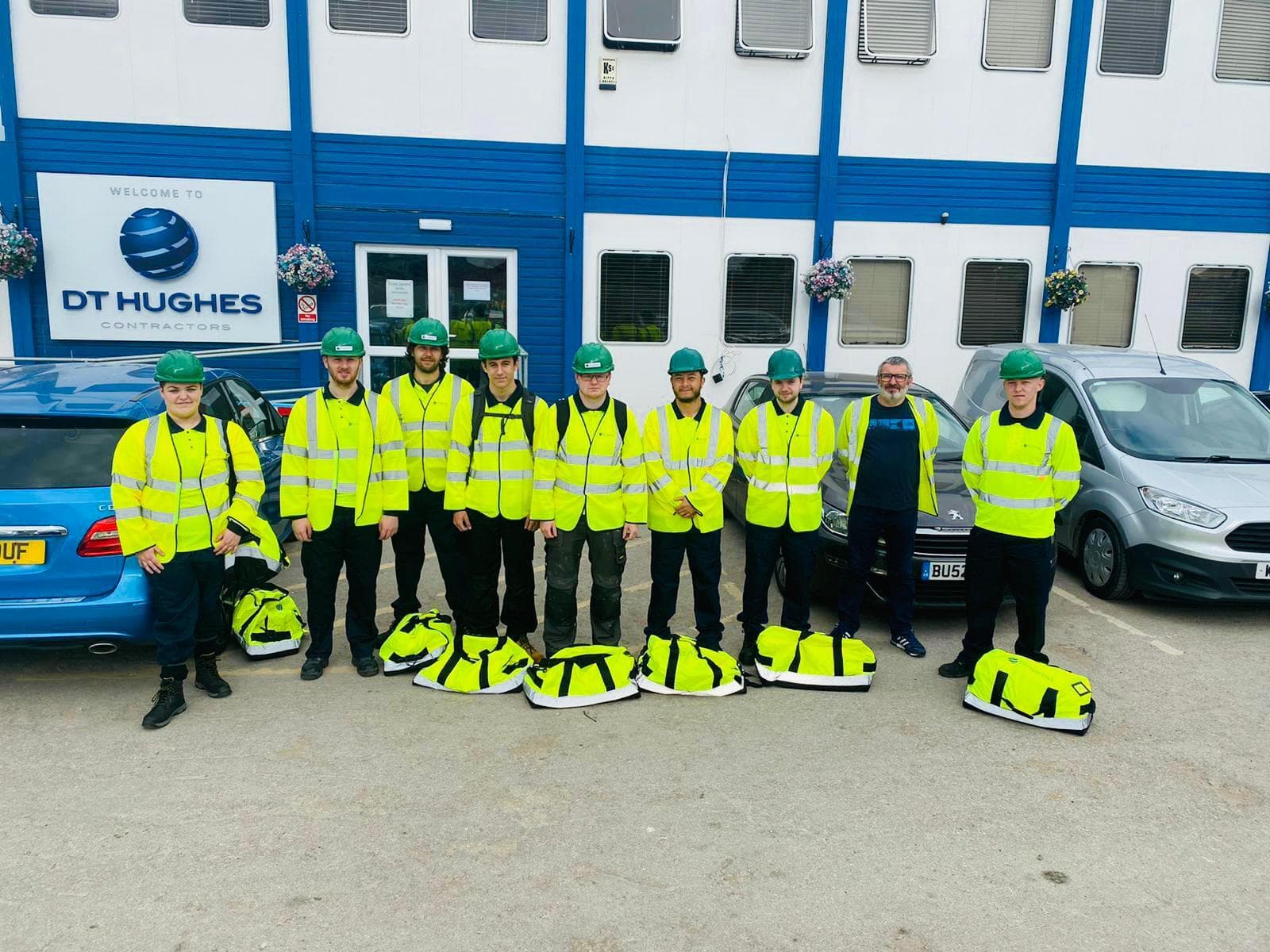
Groundworker Jobs Liverpool: Career Guide | DT Hughes
Our guide covers what the role involves, pay, progression, and how to get into groundworking in the UK.
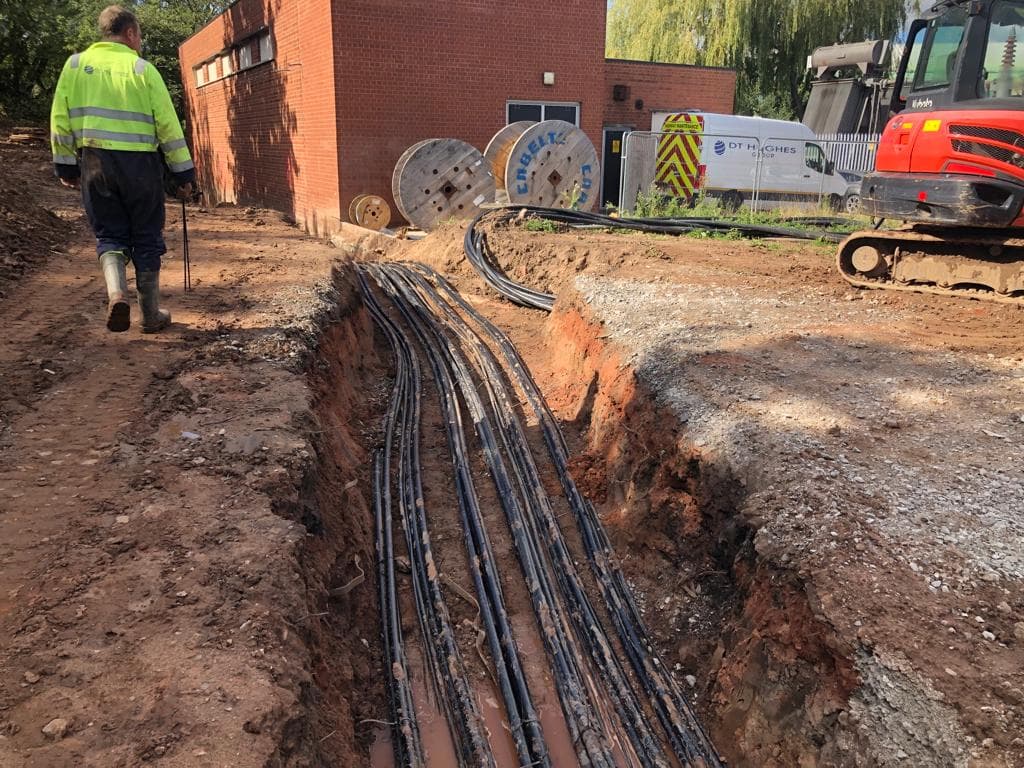
Groundworks Liverpool: What's Involved & When | DT Hughes
Our guide covers what groundworks include, when they happen, foundation types, and how to choose a local contractor.

House Extensions in Liverpool: What You Need to Know Before You Start
Planning a house extension in Liverpool? Find out what to consider before you start, from planning permission and costs to choosing the right builder for your project.