



SSSTS or SMSTS: Which Course Do You Need?
SSSTS is a two day CITB course for site supervisors who run a team or an area of work.
SMSTS is a five day CITB course for site managers responsible for safety across a whole site. Both certificates last five years. If you supervise, take SSSTS. If you manage the site, take SMSTS.
SSSTS (supervisors)
- Who it’s for: supervisors, foremen and team leaders
- What it covers: keeping your team safe
- How long it takes: 2 day course, certificate lasts 5 years
- What it lets you do: recognised to supervise on most sites
SMSTS (managers)
- Who it’s for: site, project and contracts managers
- What it covers: keeping the whole site safe
- How long it takes: 5 day course, certificate lasts 5 years
- What it lets you do: recognised to manage on most sites
What Do SSSTS and SMSTS Stand For?
SSSTS stands for Site Supervision Safety Training Scheme. SMSTS stands for Site Management Safety Training Scheme. Both are run under the Construction Industry Training Board's (CITB) Site Safety Plus scheme, and both cover health, safety, welfare and the environment on construction sites. The difference between SSSTS vs SMSTS comes down to one thing: the level of responsibility you hold on site.
What Does Each Course Cover?
SSSTS teaches you to supervise work safely. SMSTS teaches you to manage safety across an entire site.
What the SSSTS Course Covers
The SSSTS site supervisor course focuses on the day to day side of keeping a team safe. You learn how health and safety law applies to you as a supervisor, how to carry out risk assessments and brief your team on method statements, and how to deliver toolbox talks. It also covers the most common site hazards, including working at height, excavations, lifting operations, dust, noise and asbestos, and how to spot and stop unsafe work before someone gets hurt. You are assessed through group exercises and a final exam.
What the SMSTS Course Covers
SMSTS covers the same ground at management level, then goes further. You learn how to plan and set up a site safely, and what your duties are under the Construction (Design and Management) Regulations 2015, the rules that set out who is responsible for safety on a construction project. It also covers managing subcontractors, monitoring safety performance, environmental management and investigating incidents. Assessment runs across the week and finishes with a final exam.
Who Is Each Course For?
Take SSSTS if you oversee work and report to a manager. Take SMSTS if you are responsible for the whole site.
SSSTS suits foremen, gangers, chargehands, working supervisors and experienced operatives stepping up to their first supervisory role. SMSTS suits site managers, assistant site managers, project managers, contracts managers and business owners who run their own sites.
Your job title matters less than what you are actually responsible for. A supervisor who plans work for the whole site, manages subcontractors or deals with clients on safety is often doing a manager's job, and SMSTS is the better fit. If you are working out which qualifications your role needs more broadly, our guide to construction qualifications covers the full picture.
How Long Do SSSTS and SMSTS Take?
SSSTS takes two days and SMSTS takes five days. Some providers also run SMSTS on day release, one day a week over five weeks, which suits managers who can't be away from site for a full week. On both courses you must attend every session to receive your certificate.
How Long Does an SSSTS Certificate Last?
An SSSTS certificate lasts five years, and so does an SMSTS certificate. To keep either one, you need to complete a refresher course before it expires. The SSSTS refresher takes one day and the SMSTS refresher takes two days. If your certificate expires before you refresh it, you will need to sit the full course again.
What Do SSSTS and SMSTS Let You Do on Site?
Neither course is a legal licence. They are the qualifications principal contractors expect before they will accept you as a supervisor or site manager on their sites.
In practice, SSSTS is widely expected for anyone supervising a team on a construction site. SMSTS is endorsed by Build UK as the standard training for construction managers, and many clients will not accept a site manager without it. Holding the right one tells a principal contractor that you understand your legal responsibilities at your level.
Neither course gives you a CSCS card. Supervisor and manager CSCS cards are based on NVQs or equivalent qualifications, so you will usually need both your CSCS card and your SSSTS or SMSTS. Our guide on which CSCS card you need explains how each card is earned.
If you supervise work on public roads and footpaths, SSSTS is not enough on its own. Street works need a separate qualification under the New Roads and Street Works Act. This is ground DT Hughes knows well. As a NERS authorised business and long-standing SP Energy Networks partner, our teams carry out street works across Merseyside and Wirral every day, and our work won the Street Works UK Communication and Community Engagement Award at the House of Commons in 2025.
SSSTS vs SMSTS: Which Course Should You Take?
Match the course to your responsibility today. If you supervise a team, take SSSTS. If you manage a site, take SMSTS. If you are a supervisor expecting to move into management soon, going straight to SMSTS can save you doing both.
The DT Hughes Training Academy in Aintree, Liverpool delivers both SSSTS and SMSTS. The Academy was set up in 2020 to train our own workforce, and it is backed by a family business that has worked across the Liverpool City Region, Wirral and North Wales since 1984. The people teaching the course have supervised and managed live sites themselves.
If you are not sure which course fits your role, get in touch with the Academy team and we will point you in the right direction. If you already hold SSSTS or SMSTS and are looking for your next role, take a look at our current vacancies.
Frequently Asked Questions
No, SSSTS is not a legal requirement. The law says anyone supervising construction work must have the right skills, knowledge and experience, and SSSTS is the most widely recognised way to show that. Because of this, most principal contractors ask for it before they will accept you as a supervisor, which makes it essential in practice even though it is not required by law.
No, you do not need SSSTS before you can take SMSTS. You can go straight onto the five day SMSTS course if you are working as a site manager or moving into that role. If you have never supervised before, SSSTS first can make the step up easier, because SMSTS assumes you already understand the basics of site safety.
No, neither course gives you a CSCS card. You receive a CITB certificate, which is a separate thing. Supervisor and manager CSCS cards are based on NVQs or equivalent qualifications, so most supervisors and managers hold both a CSCS card and an SSSTS or SMSTS certificate. Sites will usually check for both before you start work.
If your certificate expires, you lose the option of the shorter refresher and must sit the full course again. That means two days for SSSTS or five days for SMSTS, instead of one or two. To avoid this, book your refresher before the expiry date on your certificate. Your certificate lasts five years from the date you pass.
More from the blog
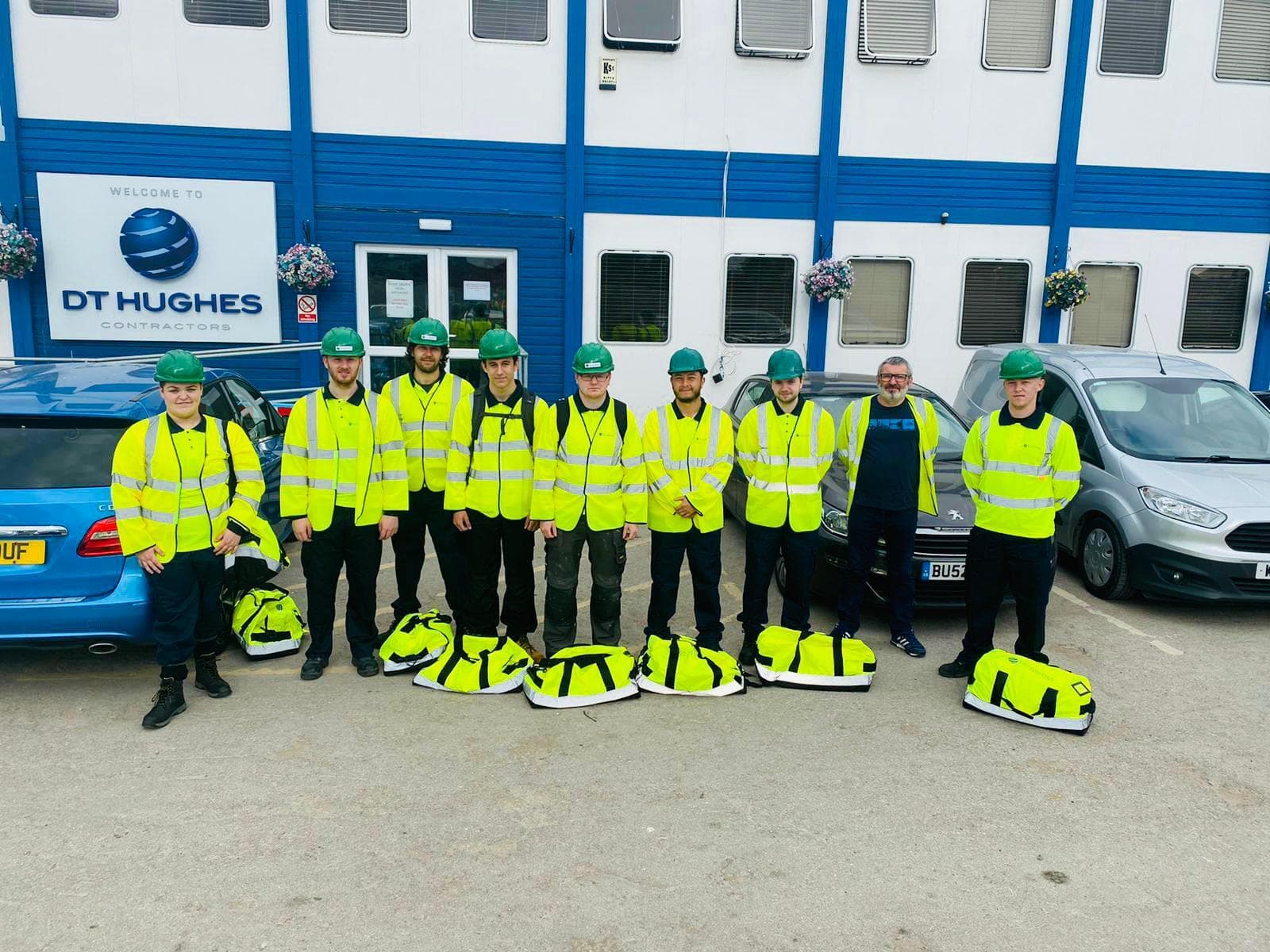
Groundworker Jobs Liverpool: Career Guide | DT Hughes
Our guide covers what the role involves, pay, progression, and how to get into groundworking in the UK.
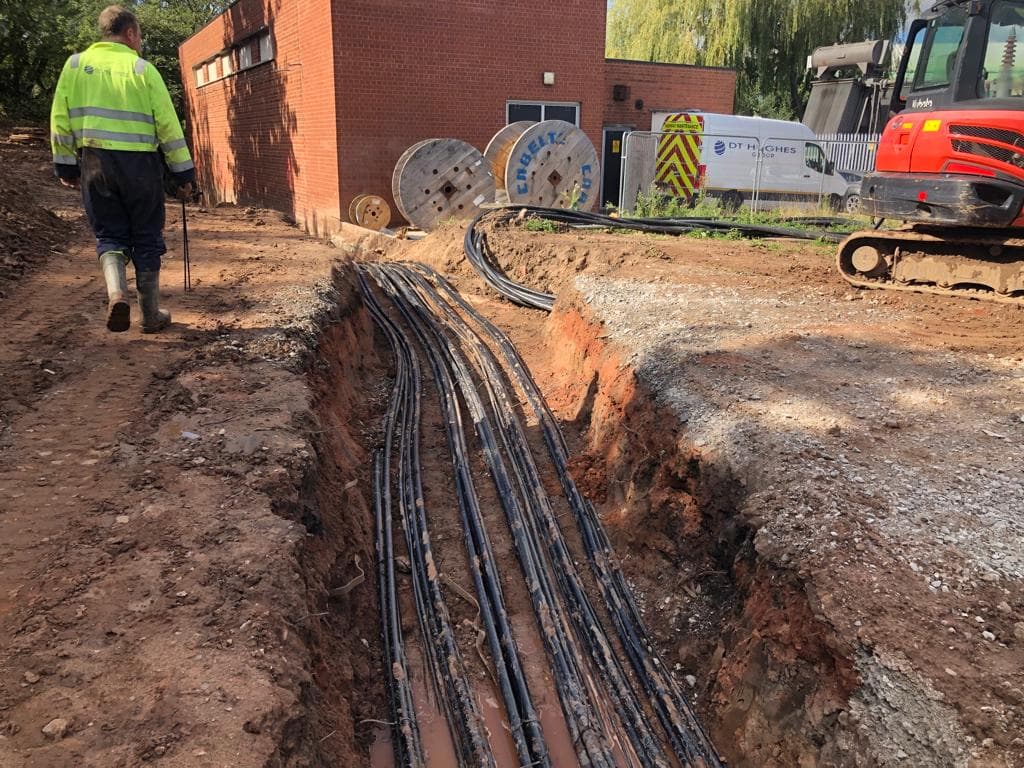
Groundworks Liverpool: What's Involved & When | DT Hughes
Our guide covers what groundworks include, when they happen, foundation types, and how to choose a local contractor.

House Extensions in Liverpool: What You Need to Know Before You Start
Planning a house extension in Liverpool? Find out what to consider before you start, from planning permission and costs to choosing the right builder for your project.