



What Is Civil Engineering and What Do Civil Engineers Actually Do?
A full guide to the work, the sectors it covers and how to get into it.
Civil engineering is the design, construction and maintenance of the infrastructure society relies on: energy and utility networks, water and drainage, roads, and the groundworks beneath buildings. Civil engineers plan and oversee this work, making sure it is safe, durable and built to last, on large public projects and everyday local schemes alike.
What is Civil Engineering?
Civil engineering is the branch of engineering concerned with the built environment, everything from the electricity and water networks that serve your home to the foundations underneath it. It covers the planning, design, construction and ongoing maintenance of infrastructure, and it splits broadly into work above ground (structures, roads, buildings) and below ground (drainage, utilities, foundations and groundworks). If something is built to be used by the public or to carry essential services, civil engineering has usually had a hand in it. Much of it is the work you never see, the networks and groundworks beneath the surface that keep everything above it running.
What Do Civil Engineers Actually Do?
Civil engineers turn a plan on paper into something built and safe on the ground. Day to day, that means surveying and assessing sites, designing structures and systems, calculating loads and materials, managing the practical construction work, and making sure everything meets safety and regulatory standards. Some civil engineers are office-based and design-focused; many are site-based, coordinating the teams and machinery that do the physical work.
On a typical infrastructure job it's civil engineering that decides how the ground is prepared, how services are routed, how a structure carries its load and how the finished work stands up to decades of use. It's a mix of technical problem-solving and hands-on coordination.
What are the Main Areas of Civil Engineering?
Civil engineering is broad, and most professionals specialise. The main areas include:
- Geotechnical and groundworks: the behaviour of soil and rock, and the foundations, drainage and excavation that sit on them
- Utilities and infrastructure: the electricity, gas, water and telecoms networks that connect communities
- Water and environmental: drainage, flood management, clean water and wastewater systems
- Structural: the design of buildings, bridges and load-bearing structures
- Transportation: roads, rail and the networks that move people and goods
A lot of real-world projects cross several of these at once. Laying a new utility connection, for instance, touches geotechnical work (the ground), utilities (the network) and often transportation (the road or footway above it). The below-ground side, groundworks, drainage and utility networks, is where a great deal of everyday civil engineering actually happens.
Why Does Civil Engineering Matter?
Civil engineering is what keeps everyday life running, usually without anyone noticing. Reliable power, clean water that drains away, roads that don't fail, buildings that stand safely, all of it is the result of civil engineering done well. It matters most when it's invisible: you only notice the drainage when a street floods, or the groundworks when a foundation moves.
Good civil engineering is also increasingly tied to sustainability, designing and maintaining infrastructure that uses resources efficiently and stands up to a changing climate. For communities, it's the difference between infrastructure that works quietly for decades and infrastructure that fails when it's needed.
How Do You Get Into Civil Engineering?
There's more than one route in, and not all of them require a university degree. The traditional path is a degree in civil engineering leading to professional qualification, but apprenticeships, on-site training and progression from trades and operative roles are all genuine ways into the industry.
Many people start on the ground, gaining hands-on experience and qualifications such as a CSCS card, then build technical skills and responsibility over time. If you're weighing up a route into the industry, DT Hughes advertises current openings and entry-level opportunities on our careers page, or you can contact us today to discuss what a career with us could look like.
DT Hughes runs a Training Academy offering construction qualifications including CSCS, first aid and manual handling, and carries out groundworks across Liverpool, Merseyside, Wirral and North Wales.
Frequently Asked Questions
Civil engineering is the work of designing, building and maintaining the infrastructure people rely on, such as utility networks, drainage, water systems, roads and the groundworks beneath buildings. In simple terms, it's the engineering behind the physical world around us, making sure the things we use every day are safe, functional and built to last.
Civil engineering is the engineering discipline that plans and designs infrastructure and oversees how it is built; construction is the physical process of building it. The two overlap heavily on site and often involve the same teams, but civil engineering covers the technical design, calculation and standards, while construction is the hands-on delivery.
Not always. A civil engineering degree is the traditional route, but apprenticeships, on-site training and progression from trades or operative roles are all genuine ways into the industry. Many people enter through hands-on work and qualifications, building technical skills over time rather than starting with a degree.
It varies by role. Some civil engineers are office-based and focused on design, calculation and planning; many are site-based, coordinating teams, machinery and the practical construction work. Day to day the job blends technical problem-solving with managing how a project is actually built and making sure it meets safety and regulatory standards.
More from the blog

Groundworker Jobs Liverpool: Career Guide | DT Hughes
Our guide covers what the role involves, pay, progression, and how to get into groundworking in the UK.
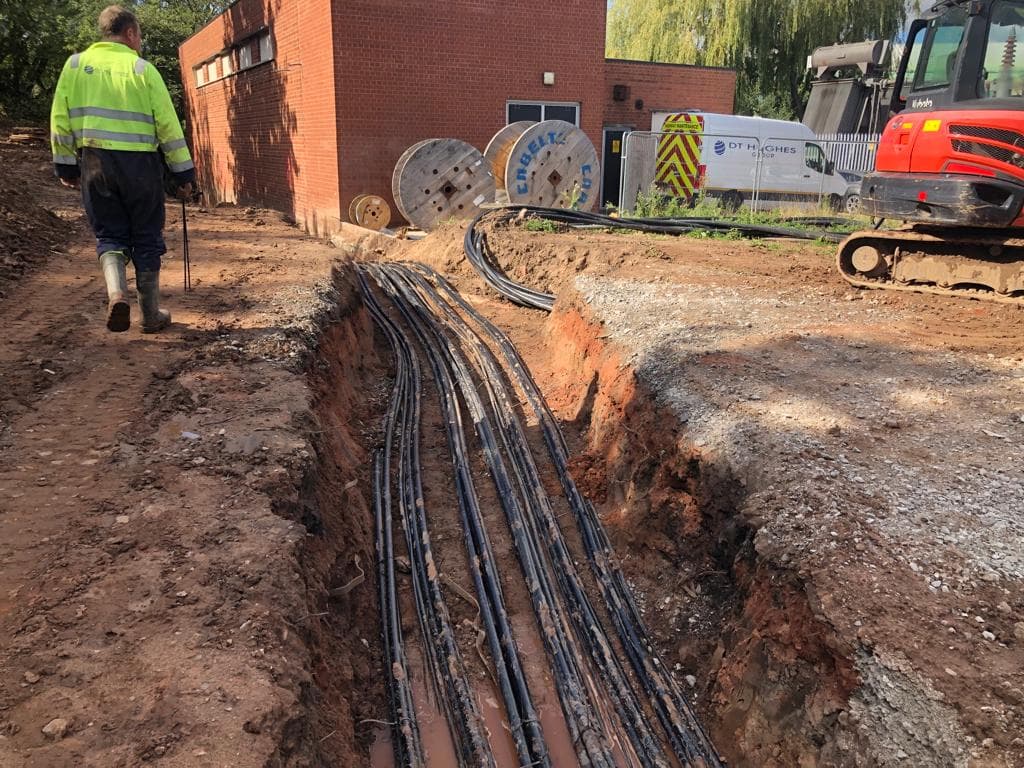
Groundworks Liverpool: What's Involved & When | DT Hughes
Our guide covers what groundworks include, when they happen, foundation types, and how to choose a local contractor.
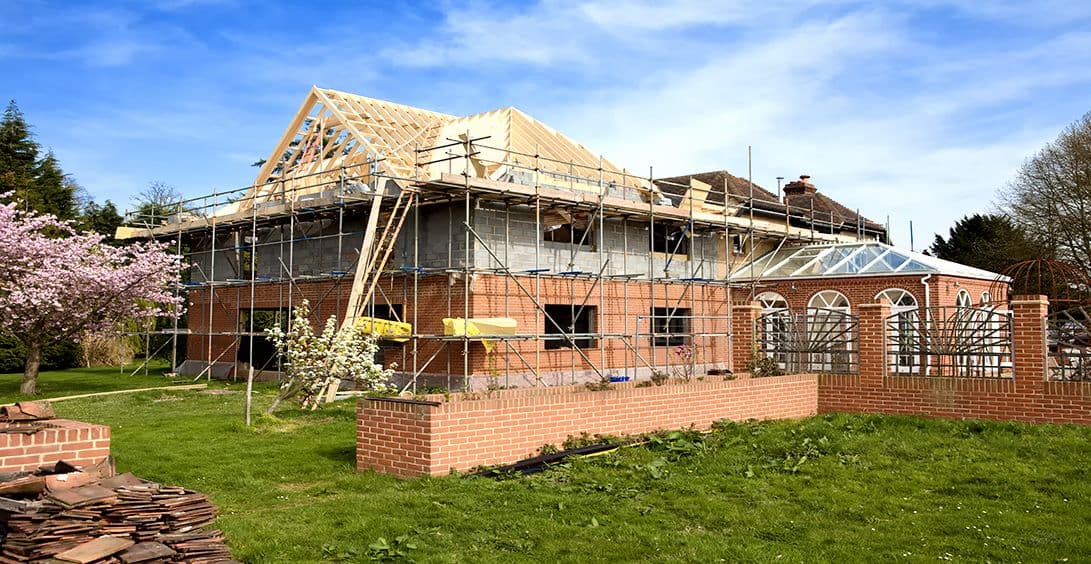
House Extensions in Liverpool: What You Need to Know Before You Start
Planning a house extension in Liverpool? Find out what to consider before you start, from planning permission and costs to choosing the right builder for your project.