


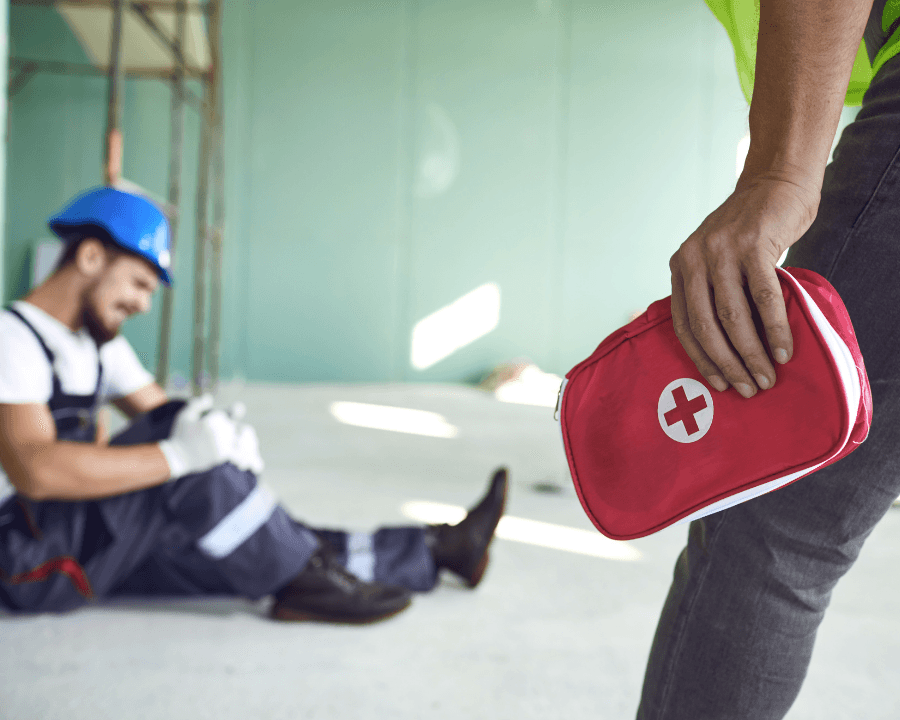
Construction First Aid Course: What It Covers and Who Needs One
A construction first aid course trains site workers to deal with injuries and sudden illness until the emergency services arrive. There are two main levels: Emergency First Aid at Work, a one-day course of at least six hours, and First Aid at Work, which runs over three days. Both certificates last three years.
Construction is a higher hazard workplace in the Health and Safety Executive's first aid guidance, so sites need more cover than an office. This guide explains what each course covers, how long training and certificates last, how many first aiders a site needs, and how DT Hughes Group, a family-run contractor based in Aintree, Liverpool since 1984, approaches first aid for its own workforce.
What Is a Construction First Aid Course?
A construction first aid course is a workplace first aid qualification taken by people who work on or manage construction sites. Under the Health and Safety (First-Aid) Regulations 1981, every employer must provide adequate and appropriate first aid equipment, facilities and people. On a construction site, that usually means having trained first aiders who can act quickly when something goes wrong.
The qualifications themselves are the same across industries: Emergency First Aid at Work (EFAW) and First Aid at Work (FAW). What makes a course suitable for construction is how well it prepares people for the injuries that happen on site, such as falls, crush injuries, serious bleeding, burns and eye injuries, and how practical the training is. Since 2013, the HSE has not approved individual training providers, so it is up to the employer to check that the provider they choose is competent.
What Is the Difference Between EFAW and First Aid at Work?
EFAW is the shorter course and covers the emergency essentials. FAW covers everything in EFAW and adds a wider range of injuries and medical conditions, which is why it is the level most often expected on higher risk sites.
Emergency First Aid at Work (EFAW) is a one day course of at least six hours. It covers CPR and defibrillator use, unresponsive casualties, choking, serious bleeding, shock and minor injuries. It suits smaller teams and lower risk work, where the first aid needs assessment allows.
First Aid at Work (FAW) is a three day course of at least 18 hours. It covers everything in EFAW, plus fractures, head and spinal injuries, burns and eye injuries, and illnesses such as heart attacks, strokes, seizures and diabetic emergencies. It suits higher risk sites, larger workforces and remote locations.
The HSE's guidance is that EFAW is usually enough in low hazard workplaces with a small, stable workforce. FAW is expected where the needs assessment identifies higher hazards, a larger workforce or a site that is some distance from emergency help. On many construction sites, that points towards FAW, but the decision comes from the needs assessment rather than a fixed rule.
How Long Does a First Aid Course Take?
An EFAW course takes one day, with a minimum of six hours of training. A full FAW course runs over three days, with a minimum of 18 hours. When an FAW certificate is due for renewal, first aiders can take a two-day requalification course instead of repeating the full three days. EFAW is renewed by taking the one-day course again.
On top of this, the HSE strongly recommends a short annual refresher for all first aiders in the years between requalifying. It is not a legal requirement, but first aid skills fade quickly when they are not used, and a refresher keeps people confident in the techniques that matter most, such as CPR.
How Long Does a First Aid Certificate Last?
EFAW and FAW certificates both last three years from the date they are issued. To stay qualified, a first aider needs to requalify before the certificate expires. Once it lapses, that person no longer counts towards the site's first aid cover, and they may need to take the full course again rather than the shorter requalification.
For a contractor working across several sites, the practical answer is a simple record of who holds which certificate and when each one expires. That makes it easy to book requalification in good time and avoid a gap in cover when a first aider's certificate runs out mid-project.
How Many First Aiders Do You Need on a Construction Site?
There is no single number set in law. Employers must carry out a first aid needs assessment, looking at the hazards on site, how many people are working, shift patterns, lone working and how far the site is from hospital. The HSE's guidance gives suggested minimums for higher hazard workplaces, which include construction.
Number of people on site
Suggested minimum cover (HSE guidance)
Fewer than 5
At least one appointed person
5 to 50
At least one first aider trained in EFAW or FAW, depending on the type of injuries that could happen
More than 50
At least one first aider trained in FAW for every 50 people, or part thereof
An appointed person is not the same as a first aider. They take charge of first aid arrangements, look after the first aid kit and call the emergency services, but they are not trained to give treatment. In practice, it makes sense to train extra first aiders to cover holidays, sickness and split shifts, and to make sure everyone on site knows who the first aiders are.
What Do You Do on a First Aid Course?
Most of the course is hands-on. You practise CPR on training manikins, learn how to use a defibrillator, put casualties into the recovery position, and work through scenarios such as serious bleeding, choking and a casualty who has collapsed. On an FAW course, you also cover how to deal with suspected fractures, head and spinal injuries, burns and major illnesses.
The trainer assesses your practical skills as the course goes on, alongside questions to check your understanding. People who come to first aid with no medical background do not need to prepare in advance; the course is designed to take you from the basics to being able to act calmly in a real emergency.
How Much Does a First Aid Course Cost?
The cost of a first aid course depends on the provider, the level of the course, and whether it is run at a training centre or on site for a group. FAW typically costs more than EFAW, as it runs for three days rather than one. Where an employer appoints first aiders as part of its needs assessment, the employer normally arranges and pays for the training.
Construction employers can no longer claim CITB funding towards first aid. First aid training booked on or after 8 January 2026 is not eligible for a CITB grant or Employer Network support, so the full cost now needs to sit within the employer's own training budget.
How DT Hughes Trains Its Own Workforce in First Aid
DT Hughes Group has worked across Liverpool, Merseyside, Wirral, Chester and North Wales for over 40 years, delivering groundworks, domestic building and electric network services. As a NERS authorised business and a long-standing SP Energy Networks framework partner, our teams work on live sites and underground networks where first aid cover matters on every job.
We deliver one-day Emergency First Aid at Work training in-house to DT Hughes staff through the DT Hughes Training Academy, which we are continuing to build out as part of our investment in the workforce. For the other qualifications that matter on site, see our guide to health and safety courses for construction.
For anyone considering a move into the industry, joining an employer that invests in training is a practical route in. You can read more about getting into construction as an adult, or take a look at current roles at DT Hughes. For anything else, get in touch with DT Hughes.
Frequently Asked Questions
You get a first aid certificate by completing an Emergency First Aid at Work or First Aid at Work course with a competent training provider and passing the practical assessment. The certificate lasts three years. If you work in construction, your employer will usually arrange the training for anyone appointed as a first aider, based on the site's first aid needs assessment.
A first aider is someone who has completed a workplace first aid course, such as EFAW or FAW, and holds a valid certificate. They give initial treatment to someone who is injured or taken ill until professional help arrives. A first aider is different from an appointed person, who manages first aid arrangements but is not trained to give treatment.
Employers are legally required to provide adequate and appropriate first aid under the Health and Safety (First-Aid) Regulations 1981. The law does not require every worker to be trained, but the employer's needs assessment decides how many trained first aiders are needed. Because construction is a higher hazard industry, that assessment usually means having trained first aiders on site.
No. First aid training booked on or after 8 January 2026 is no longer eligible for CITB funding, through either the grants scheme or Employer Networks. This covers Emergency First Aid at Work and First Aid at Work. Construction employers now need to fund first aid training from their own budgets.
More from the blog
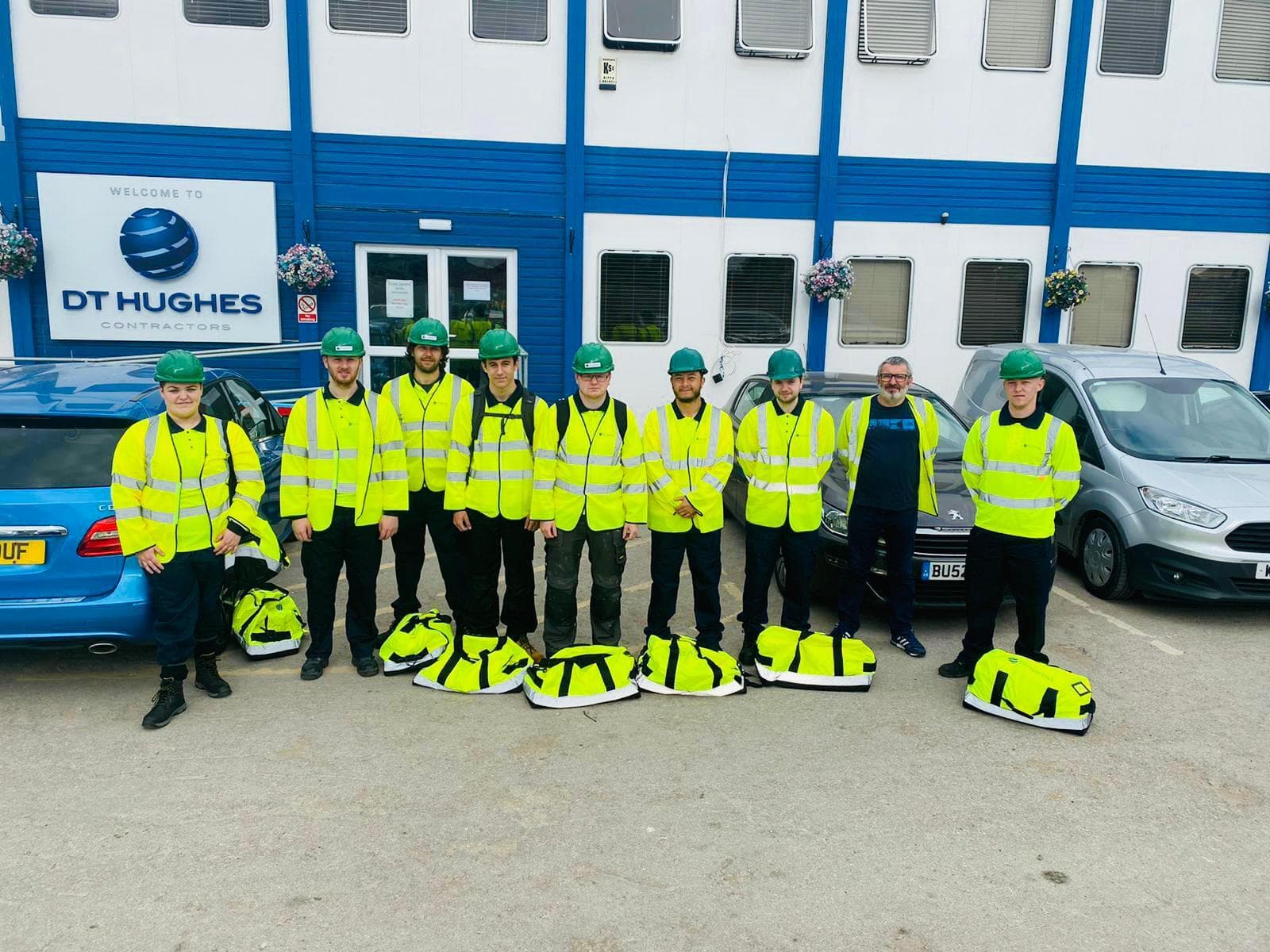
Groundworker Jobs Liverpool: Career Guide | DT Hughes
Our guide covers what the role involves, pay, progression, and how to get into groundworking in the UK.
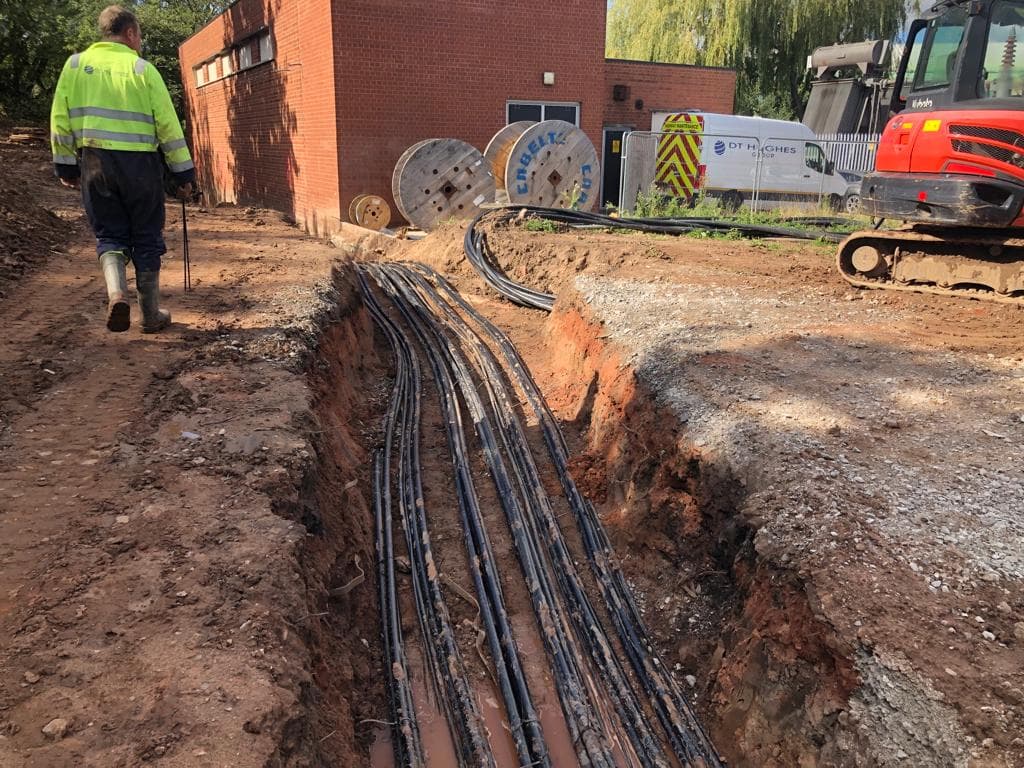
Groundworks Liverpool: What's Involved & When | DT Hughes
Our guide covers what groundworks include, when they happen, foundation types, and how to choose a local contractor.

House Extensions in Liverpool: What You Need to Know Before You Start
Planning a house extension in Liverpool? Find out what to consider before you start, from planning permission and costs to choosing the right builder for your project.