


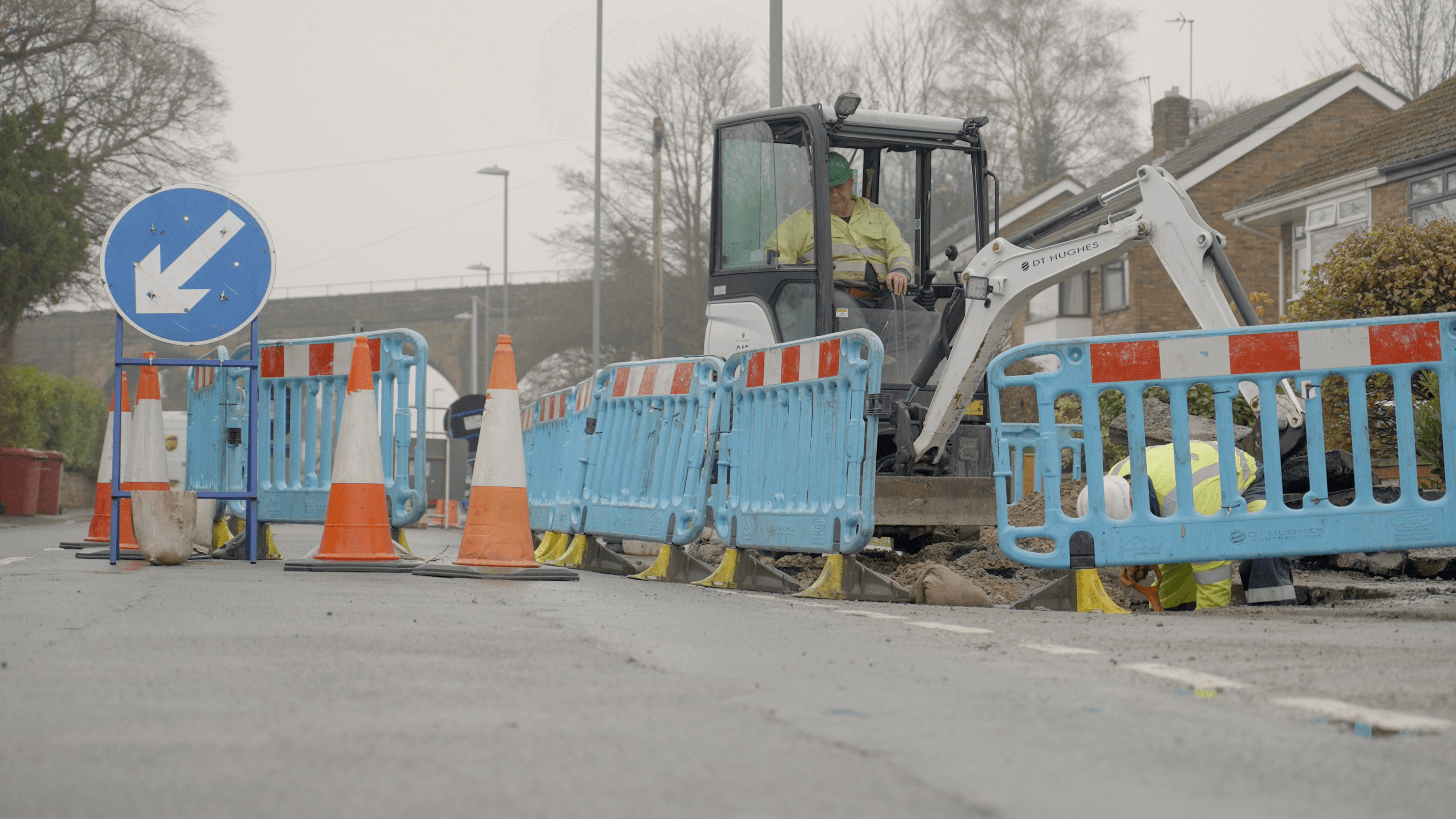
What Is Traffic Management and Why Does Every Construction Site Need It?
Traffic management keeps workers, drivers and pedestrians safe around roadworks and construction sites. Here's what it involves, when you legally need it, and how Chapter 8 sets the standard for getting it right.
Traffic management is the planning and control of vehicles and pedestrians around a work site to keep everyone safe and traffic moving. Construction sites need it because work near roads and footways creates real hazards, and managing them safely is a legal duty for anyone whose work affects a road, footway or public space.
What Is Traffic Management?
Traffic management is the system of planning, signage and physical controls used to guide vehicles and pedestrians safely past or around a work site. On any job that affects a road, footway or public space, it covers everything from the warning signs and cones drivers see, to lane closures, diversions, temporary traffic lights and pedestrian routes. The goal is simple: keep the people doing the work safe, keep the people passing through safe, and keep traffic moving as smoothly as the conditions allow. It applies to far more than major roadworks, any site where construction meets a public route needs some form of traffic management.
Why Does Every Construction Site Need Traffic Management?
Because work near roads and footways creates hazards that don't exist on a closed site, and the law requires those hazards to be managed. Vehicles entering and leaving, lane restrictions, excavations near a carriageway and pedestrians redirected around the work all introduce risk to workers and the public. Traffic management exists to control that risk, and doing so isn't optional, it's a legal duty for anyone whose work affects the highway. Beyond compliance, it keeps a project running: poorly managed traffic causes congestion, complaints, and in the worst case serious incidents that stop work entirely. Good traffic management is what lets construction happen alongside live roads and busy footways without either one endangering the other.
Is Traffic Management A Legal Requirement?
The duty behind it is, yes. The legal basis for temporary traffic management in the UK comes from legislation including the Road Traffic Regulation Act 1984 and the Traffic Management Act 2004, alongside health and safety law such as the Health and Safety at Work Act 1974 and the CDM Regulations 2015. Together these place a duty on anyone carrying out work affecting a road or footway to manage the risks to workers and the public. In practice, that duty is met by following Chapter 8 of the Traffic Signs Manual, the recognised code of practice for road works and temporary situations. Chapter 8 itself has no statutory force, but it is the standard the law is interpreted against, and local authorities, National Highways and the police judge compliance by it. Work on the public highway also typically requires permits or notice to the local highway authority. So while Chapter 8 isn't a law in itself, the obligation to manage traffic safely around a work site very much is.
What Does A Traffic Management Company Do?
A traffic management company plans, supplies and sets up the controls that keep a site safe and compliant. That usually starts with a design, working out the right layout for the site, the road and the level of traffic, often produced as a traffic management plan. From there they provide and install the physical equipment, signs, cones, barriers, temporary lights, and work closely with the contractor and, where needed, the highway authority. On more complex sites they also manage the controls while work is live, adjusting as conditions change.
The people who set up and run these schemes on the ground are traffic management operatives; if you're interested in that side of the work, our guide to traffic management as a career covers the role in detail. The aim throughout is to keep workers, drivers and pedestrians safe while disruption is kept to a minimum.
What Are The Main Types Of Traffic Management?
Most temporary traffic management falls into a few recognisable types:
- Lane closures: closing one or more lanes while keeping the road open, common on multi-lane roads
- Road closures and diversions: closing a road entirely and routing traffic around it
- Temporary traffic lights: controlling flow through a single open lane on a two-way road
- Stop/go boards: manual control by operatives for shorter or lower-speed works
- Pedestrian management: safe temporary routes around work affecting footways
The right approach depends on the road, the traffic levels, the type of work and how long it will last. Many sites use a combination, and the choice is part of what a traffic management plan sets out.
Who Provides Traffic Management at DT Hughes?
Traffic management for DT Hughes is delivered by Site Safe Traffic Solutions (SSTS), a sister company within the group. SSTS provides traffic management across the Liverpool City Region, supporting DT Hughes sites alongside other clients including utility companies, construction firms and local authorities, covering the design, supply and on-site delivery of temporary traffic management.
Frequently Asked Questions
The purpose of traffic management is to keep workers, drivers and pedestrians safe around a work site while keeping traffic moving as smoothly as possible. It controls the hazards created when construction work affects a road or footway, using signage, layouts and physical controls, and ensures the work is carried out safely and in line with legal duties.
Chapter 8 is a chapter of the UK Traffic Signs Manual titled "Traffic Safety Measures and Signs for Road Works and Temporary Situations." It sets out how temporary traffic management should be designed, planned, implemented and removed, covering signage, layouts and safety zones. It is guidance rather than law in itself, but it is the recognised standard for safe, compliant temporary traffic management on UK roads.
In most cases, yes. Any work that affects a road or footway carries a legal duty to manage the risks to workers and the public, and is expected to follow recognised standards such as Chapter 8. Work on the public highway also typically needs permits or notice to the local highway authority before it can begin.
A traffic management plan sets out how traffic and pedestrians will be controlled around a specific work site. It covers the layout, signage, safety zones and the type of controls used, designed around the road, the traffic levels and the nature of the work. It's the document that turns the duty to manage traffic safely into a practical, site-specific arrangement.
More from the blog
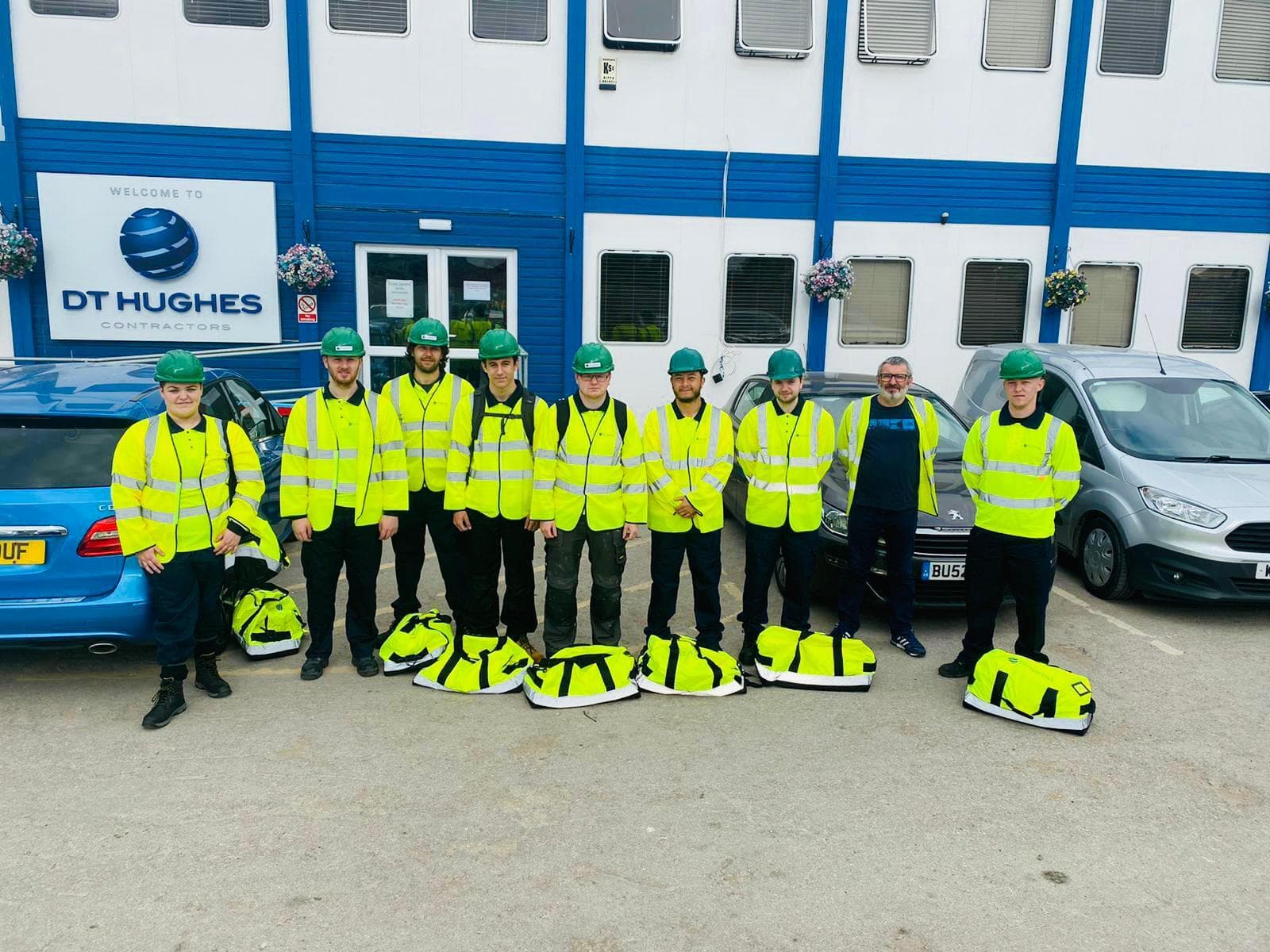
Groundworker Jobs Liverpool: Career Guide | DT Hughes
Our guide covers what the role involves, pay, progression, and how to get into groundworking in the UK.
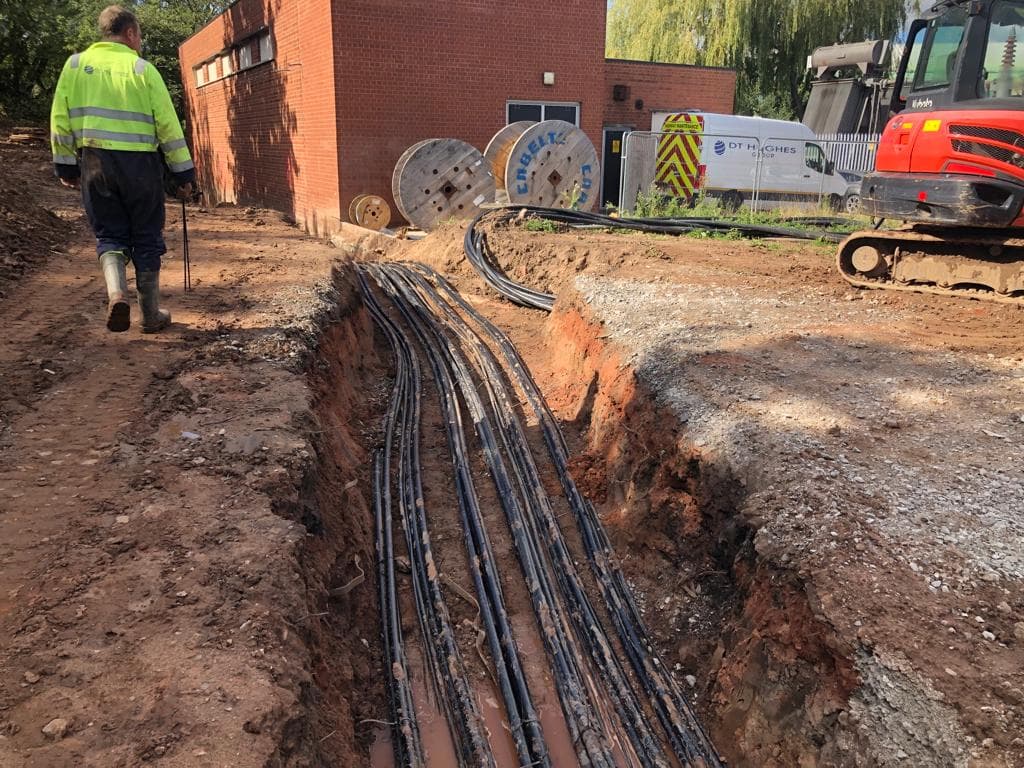
Groundworks Liverpool: What's Involved & When | DT Hughes
Our guide covers what groundworks include, when they happen, foundation types, and how to choose a local contractor.

House Extensions in Liverpool: What You Need to Know Before You Start
Planning a house extension in Liverpool? Find out what to consider before you start, from planning permission and costs to choosing the right builder for your project.